
A single chiropractic session costs between $65 and $200. If you need the recommended 2-3 visits per week for 4-6 weeks, you're looking at $500 to $2,400 — out of pocket for most people, since many insurance plans have limited chiropractic coverage.
The good news: chiropractic care is not the only way to relieve back pain. For the most common types of lower back pain — muscle tension, disc compression, poor posture, and nerve impingement — there are effective, evidence-backed alternatives you can use at home. Here are the seven that OptimalBack's doctors and our 29,000 customers have found most effective.
1. Spinal Decompression With a Back Stretcher
One of the primary things a chiropractor does is manually decompress the spine — creating space between vertebrae to reduce disc pressure and nerve impingement. A quality back stretcher replicates this effect through passive, gravity-assisted traction.
The OptimalBack Back Stretcher uses a 26-degree arch calibrated specifically for lumbar decompression. Lying on it for 10 minutes per day applies the same mechanical principle a chiropractor uses during manual adjustment — without the appointment, the co-pay, or the scheduling hassle. 90% of our customers report significant pain reduction within 12 days.
2. Posture Correction

Many chiropractors will tell you that structural misalignment — caused by years of poor posture — is the root cause of their patients' pain. Correcting posture doesn't require ongoing chiropractic visits; it requires retraining the muscles that hold your spine in position.
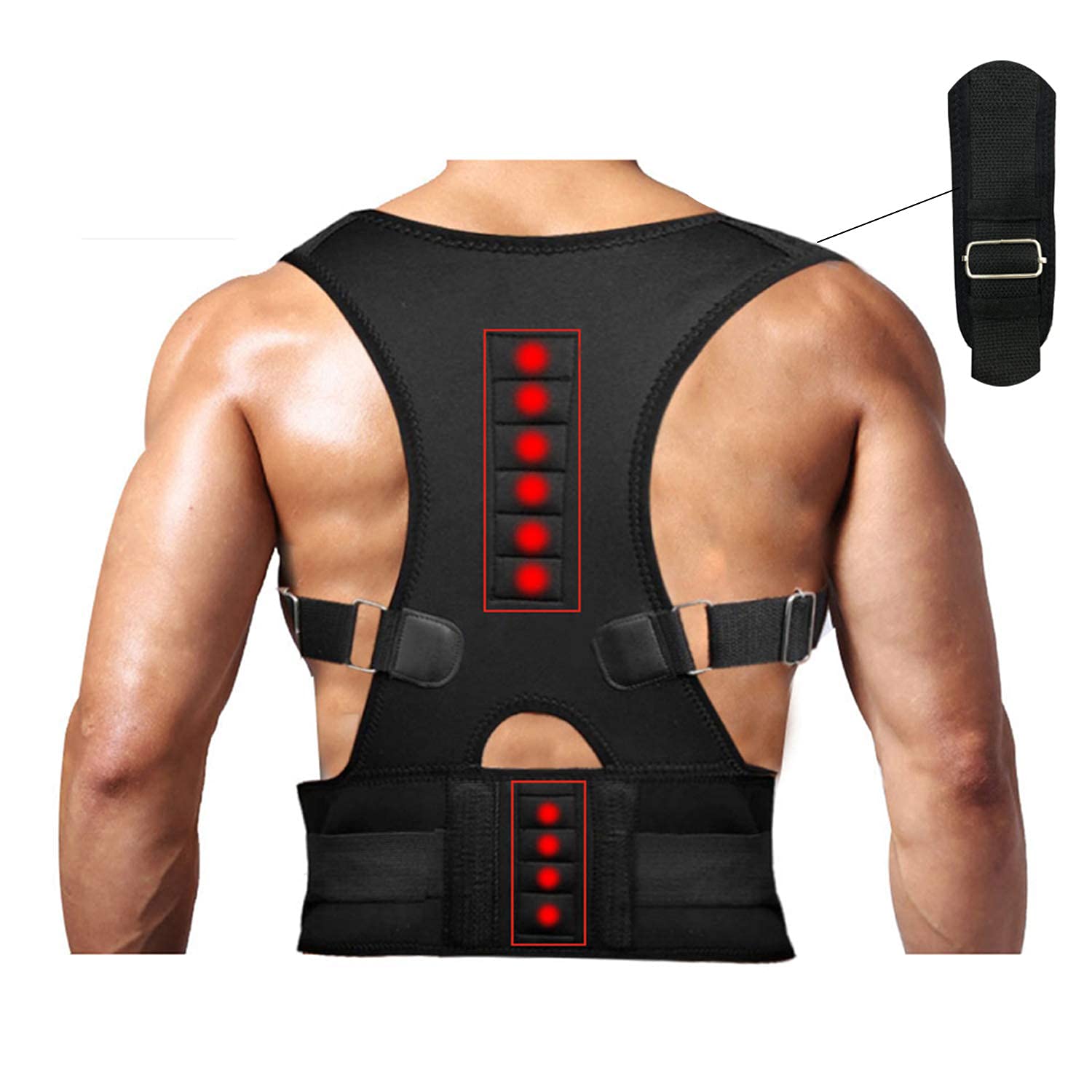
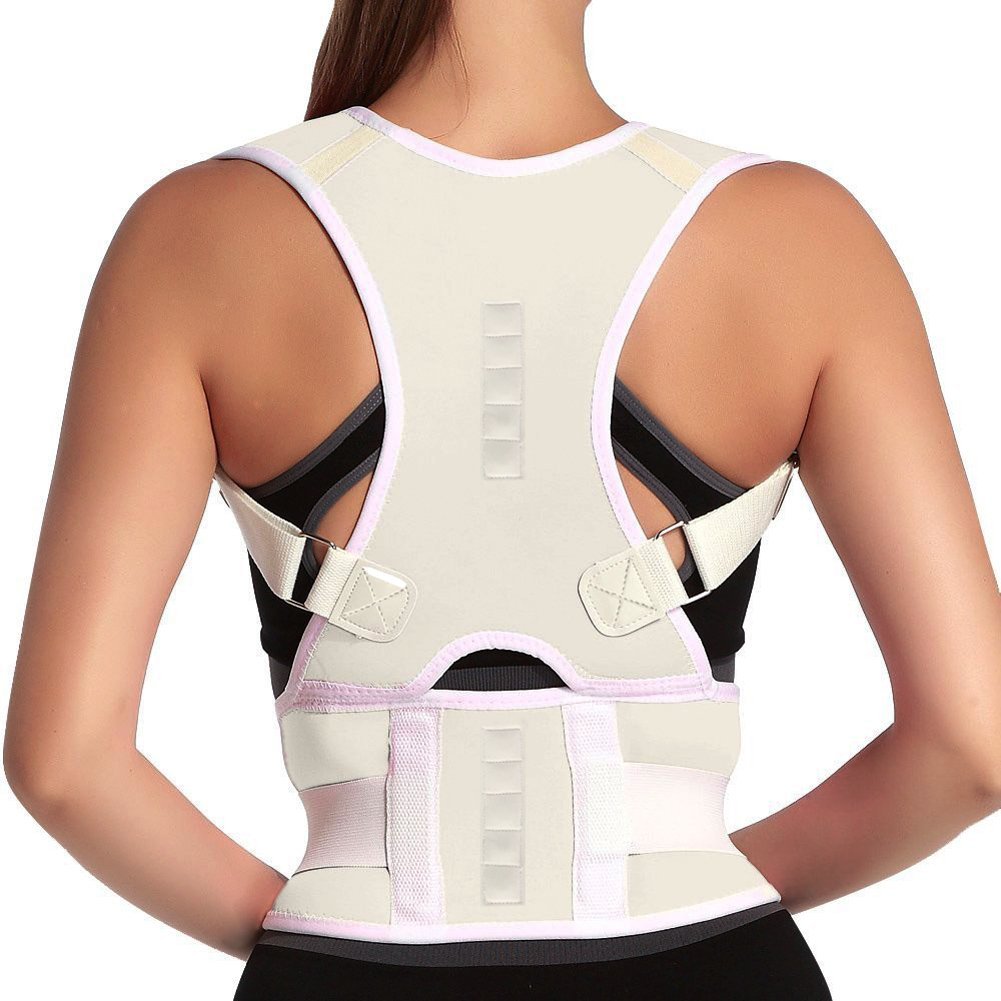
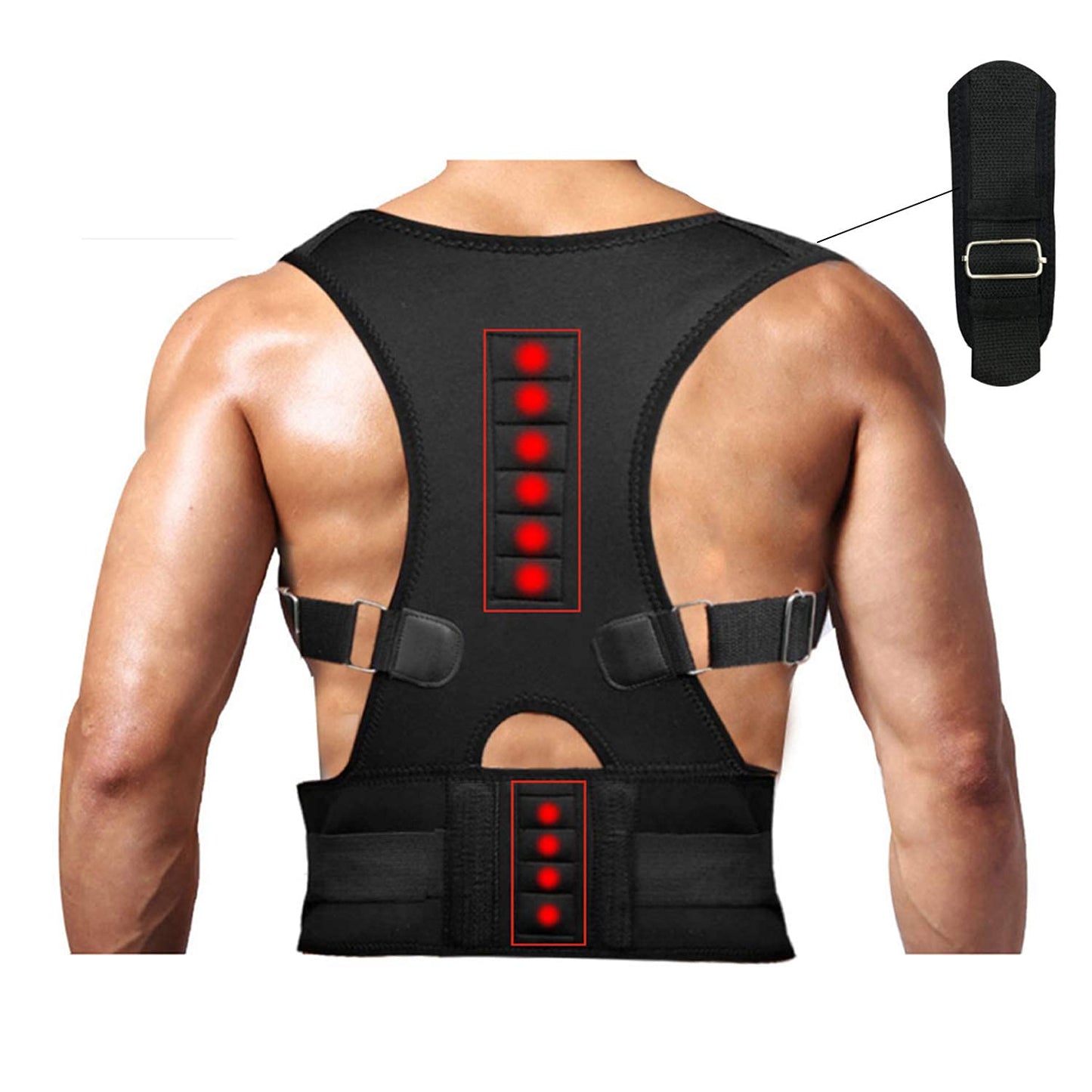
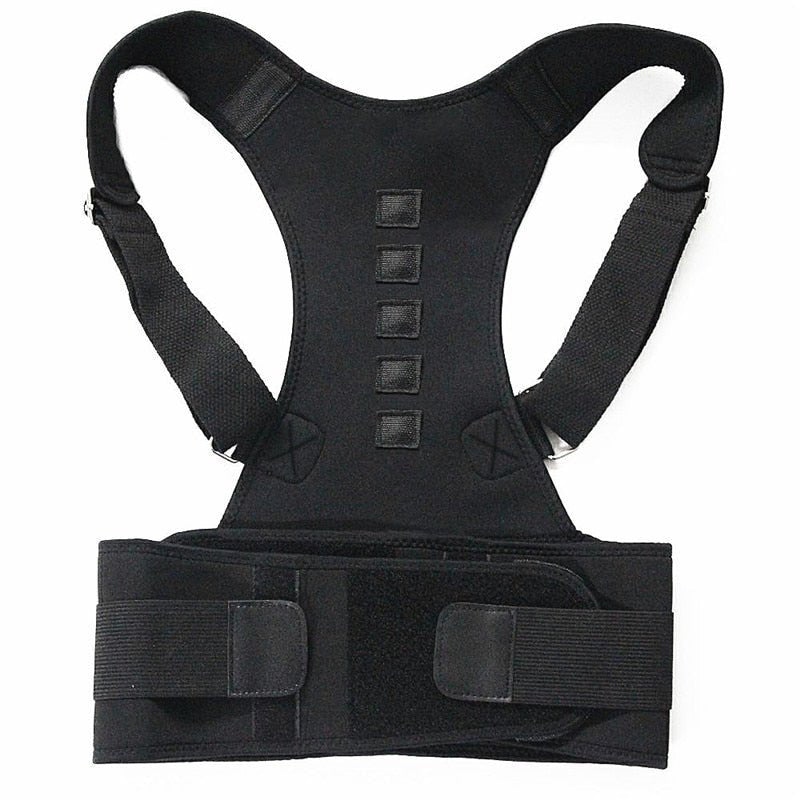
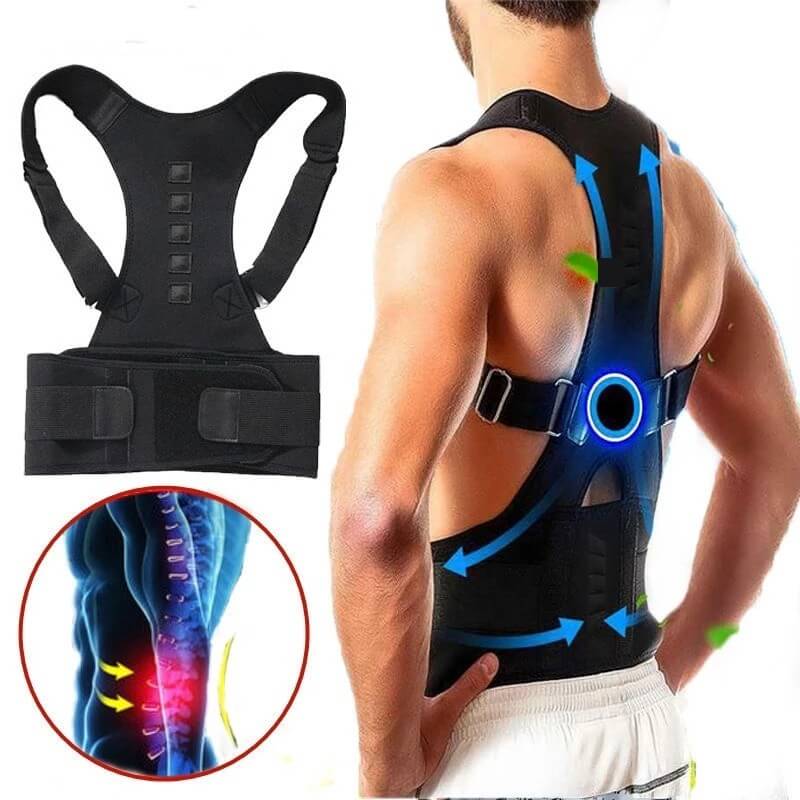
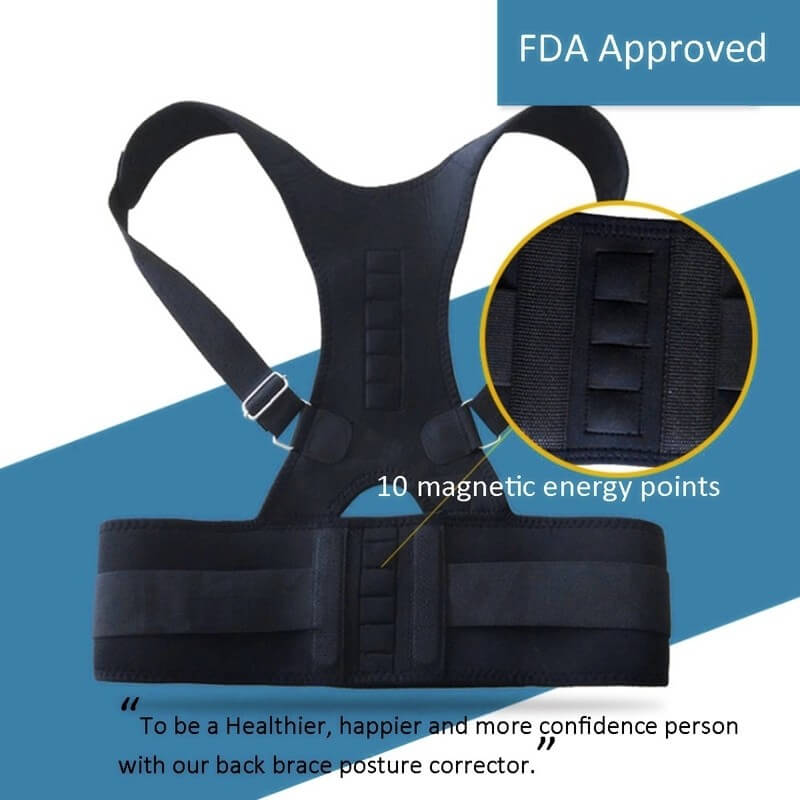
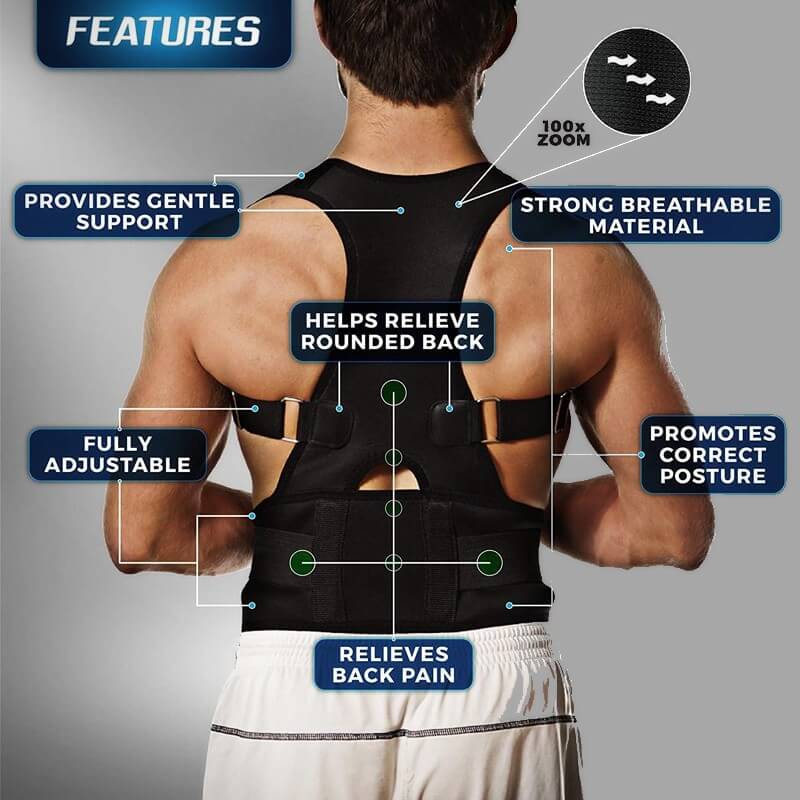
A posture corrector worn 10-20 minutes per day physically trains your shoulder and upper back muscles to maintain proper alignment. The OptimalBack Posture Corrector is designed for men and women of all ages, fits discreetly under clothing, and is made from breathable neoprene for all-day comfort. Over time, it builds the muscle memory that replaces the need for manual correction.
3. Heat and Cold Therapy
Heat relaxes tight muscles and increases blood flow to injured tissue. Cold reduces inflammation and numbs acute pain. Alternating between the two — 15 minutes of heat followed by 10 minutes of cold — is a first-line recommendation from physical therapists and sports medicine doctors for most types of back pain.
A heating pad on the lower back before your back stretcher session also enhances the decompression effect by loosening the surrounding musculature first.
4. Targeted Stretching and Mobility Work
Tight hip flexors, weak glutes, and stiff hamstrings all contribute to lower back pain by pulling the pelvis out of neutral alignment. A daily 10-15 minute routine targeting these muscle groups can dramatically reduce lower back pain over 4-6 weeks.
Key stretches: cat-cow, child's pose, piriformis stretch (figure-four), hip flexor lunge, and knees-to-chest. Combined with back stretcher use, this creates a powerful at-home decompression and mobility protocol.
5. Ergonomic Support at Work

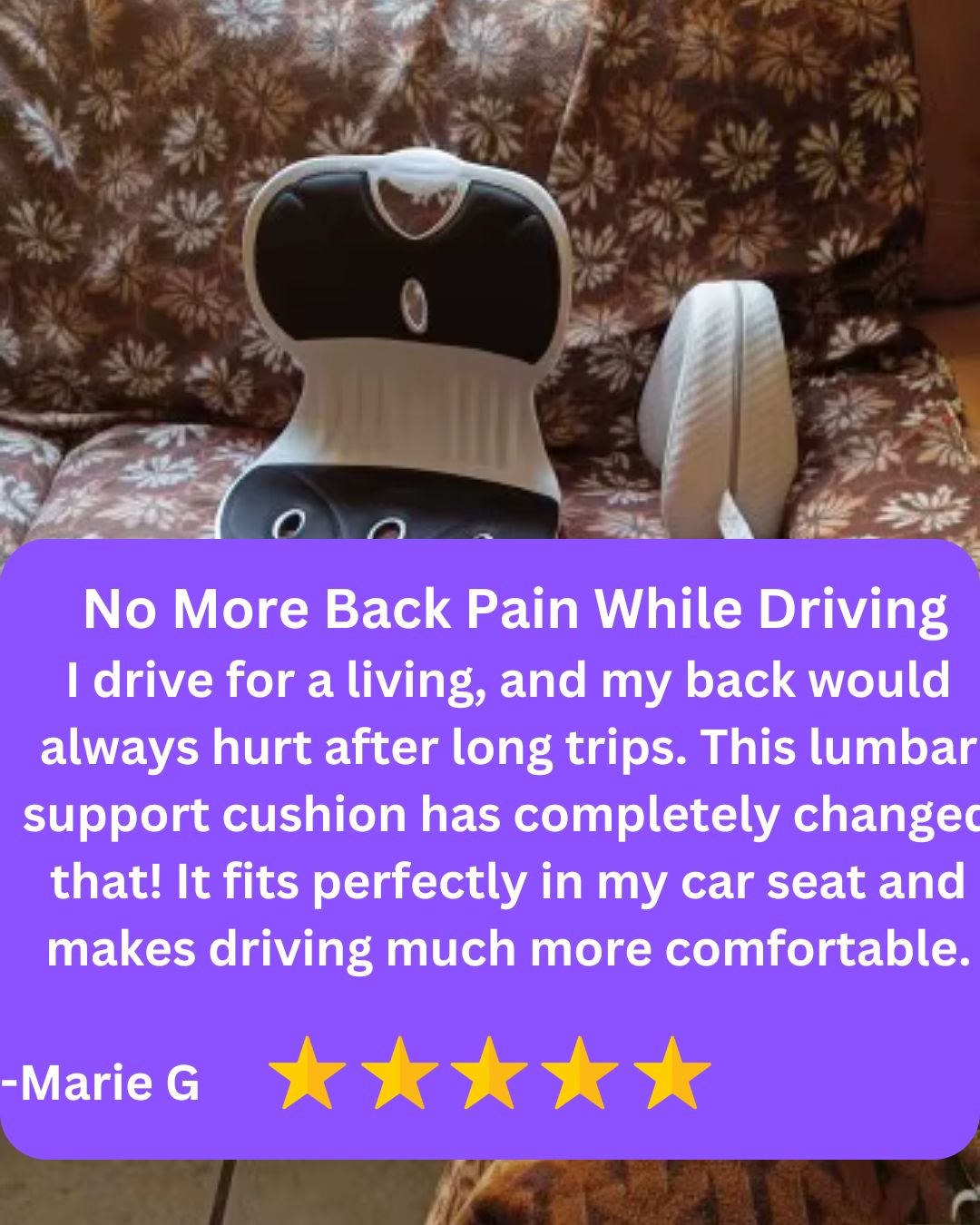
If you spend 6-10 hours sitting at a desk, your work environment is likely contributing to your back pain as much as any structural issue. A lumbar support pillow for your office chair maintains the natural curve of your lower back while seated, reducing the compressive load on your lumbar discs by 30-40%.
Pair this with a standing desk, regular movement breaks every 45 minutes, and a monitor positioned at eye level, and you eliminate the root cause of most desk-worker back pain.
6. Acupressure and Self-Massage
The acupressure nodules on many back stretchers — including the OptimalBack model — stimulate trigger points along the lumbar fascia. This mimics the soft-tissue work a chiropractor or massage therapist performs. Combined with a foot massager mat for full-body tension release, acupressure can meaningfully reduce the systemic muscular tension that contributes to back pain.
7. Walking
This one surprises people, but walking is one of the most consistently recommended interventions for lower back pain in the physical therapy literature. Walking activates the core and glute muscles that support the spine, promotes circulation to disc tissue (which has no direct blood supply), and reduces the inflammatory markers associated with chronic pain.
30 minutes of brisk walking five days per week is the minimum effective dose. If walking is painful, start with 10 minutes and build gradually.
Building Your At-Home Protocol
The most effective approach combines several of these methods into a simple daily routine. Here is an example protocol used by many OptimalBack customers:
- Morning (5 min): Cat-cow, hip flexor stretch, child's pose
- Work hours: Lumbar support pillow, movement break every 45 minutes
- Evening (10 min): Back stretcher session at 26-degree arch
- After stretcher (10-15 min): Heat therapy or acupressure
- Daily: 20-30 minute walk
Most people following this protocol consistently see results within 2-3 weeks — comparable to what they'd achieve with twice-weekly chiropractic visits, at a fraction of the cost.
Frequently Asked Questions
Q: When should I see a chiropractor instead of treating at home?
If you have acute pain from a specific injury (car accident, fall), pain with neurological symptoms (numbness, weakness in legs), or pain that has not improved after 3-4 weeks of consistent home treatment, see a healthcare provider. At-home methods work best for chronic or recurring pain with no serious underlying cause.
Q: Is a back stretcher as effective as a chiropractor adjustment?
For decompression-related pain (disc issues, nerve compression, stiffness from sitting), yes — consistent daily use of a back stretcher produces comparable results for most people. Chiropractors provide additional benefits for structural misalignment that a stretcher cannot address.
Q: Can I use these methods if I've had back surgery?
Always consult your surgeon or physical therapist before beginning any at-home back pain protocol post-surgery. Most of these methods are eventually cleared for post-surgical patients, but timing and intensity must be personalized.
OptimalBack's complete range of back pain relief products — back stretchers, posture correctors, memory foam pillows, and more — is designed to give you everything you need for an effective at-home protocol. With free US shipping and a 30-day money-back guarantee, there's no risk to trying.