
Reading time: 7 minutes | Written for construction workers, contractors, and tradespeople who refuse to let back pain end their career.
The Spine of a Construction Worker Takes a Beating
No profession is harder on the human spine than construction. Whether you're a carpenter, mason, electrician, plumber, or general laborer — your back absorbs punishment every single day that office workers will never experience.
Lifting. Bending. Twisting. Hauling materials. Working on scaffolding. Kneeling on concrete. Reaching overhead for hours. Every one of these motions places extraordinary stress on your vertebrae, discs, and the muscles that hold your spine together.
The numbers back this up. According to the Bureau of Labor Statistics, construction workers account for one of the highest rates of musculoskeletal injuries of any profession in the United States. Back injuries alone cause more lost workdays in construction than any other type of injury — including falls.
And here's the part nobody talks about: most of those back injuries don't come from one dramatic moment. They come from years of cumulative postural damage — the slow collapse of spinal alignment that builds over thousands of repetitive movements until one morning you bend down to pick up a tool and something gives way.
|
 |
Why Construction Work Destroys Posture
The spinal problems that plague construction workers aren't random. They follow predictable patterns based on the physical demands of the work:
Forward Head Posture from Looking Down
Carpenters measuring cuts, electricians routing cables, plumbers working under sinks — all require extended periods of the head dropped forward. For every inch your head moves forward of your shoulders, it adds approximately 10 pounds of effective weight on your cervical spine. After years of this, the muscles that hold your head upright weaken and stretch, creating chronic neck and upper back pain.
Lumbar Compression from Repetitive Lifting
Every time a construction worker lifts a heavy load — whether it's drywall sheets, concrete blocks, tools, or lumber — the intervertebral discs in the lower back absorb enormous compressive force. Without proper postural alignment during these lifts, that force is distributed unevenly, accelerating disc wear and increasing the risk of herniation.
Thoracic Rounding from Tool Use
Using power tools, hand saws, and heavy equipment requires the arms to be extended forward for prolonged periods. This naturally pulls the shoulders forward and rounds the upper back — a postural pattern that, repeated daily over years, becomes the permanent resting position of the spine.
Scoliotic Loading from Carrying
Carrying heavy loads on one side — tool bags, buckets, materials — creates asymmetric spinal loading. Over time this can lead to functional scoliosis and chronic muscle imbalances on one side of the body.
The Real Cost of Bad Posture in Construction
|
The average construction worker loses 12 working days per year to back-related injuries.
At an average daily rate of $250, that's $3,000 in lost income annually. Over a 30-year career, chronic back pain costs the average construction worker over $90,000 in lost wages, medical bills, and reduced earning capacity.
Proper postural support doesn't just save your back. It protects your livelihood. |
Beyond the financial cost, back injuries are the leading cause of early retirement in the construction industry. Workers who develop chronic back pain are significantly more likely to leave the profession before they planned — often with no alternative income source and mounting medical expenses.
What a Posture Corrector Actually Does for Construction Workers
A posture corrector isn't a magic cure. It's a tool — one of many in a comprehensive approach to spinal health. Here's what it specifically does for construction workers:
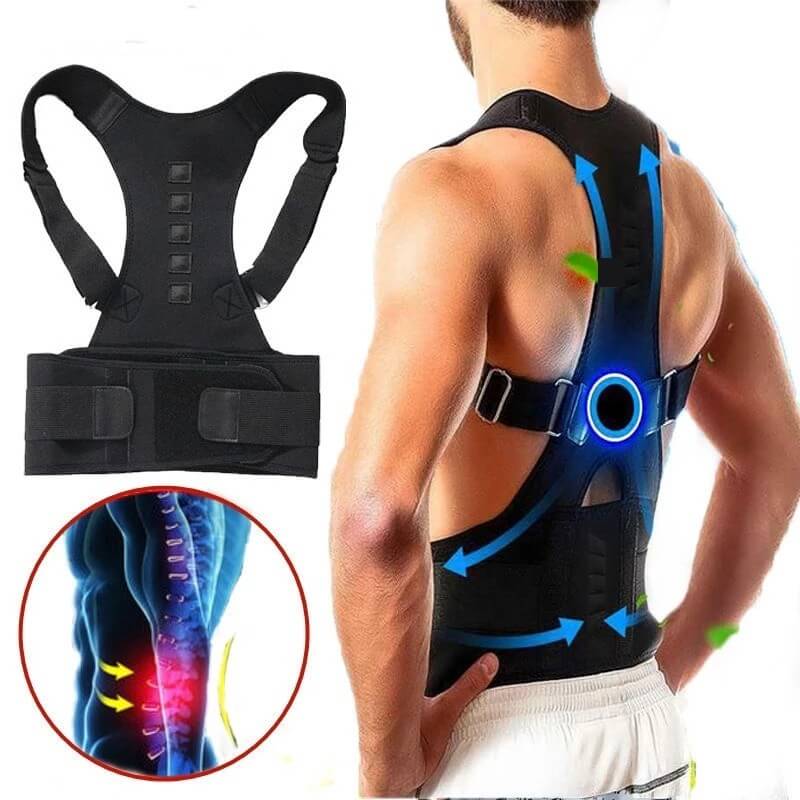
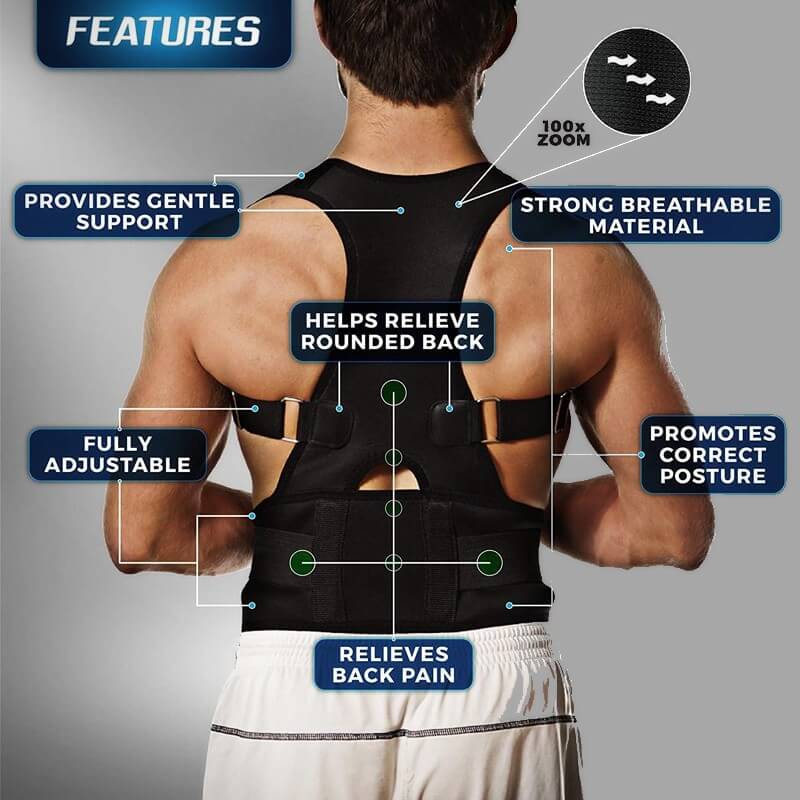
• Realigns the shoulders and upper back into neutral position during tasks that naturally pull them forward
• Activates proprioceptive awareness — you physically feel when you're slipping out of alignment
• Reduces the load on spinal muscles by distributing it more evenly across the skeletal structure
• Prevents the habitual forward head position from becoming permanent structural change
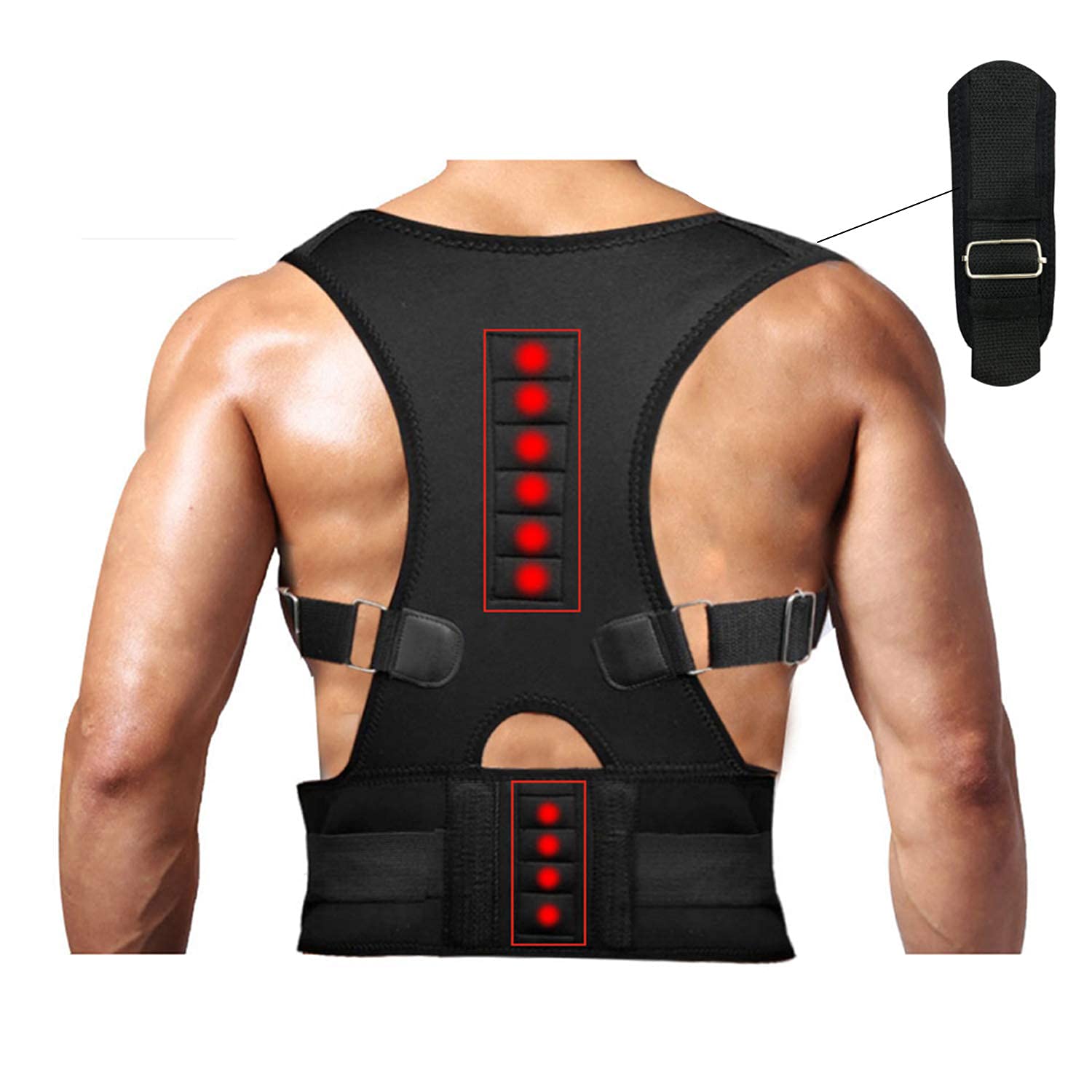
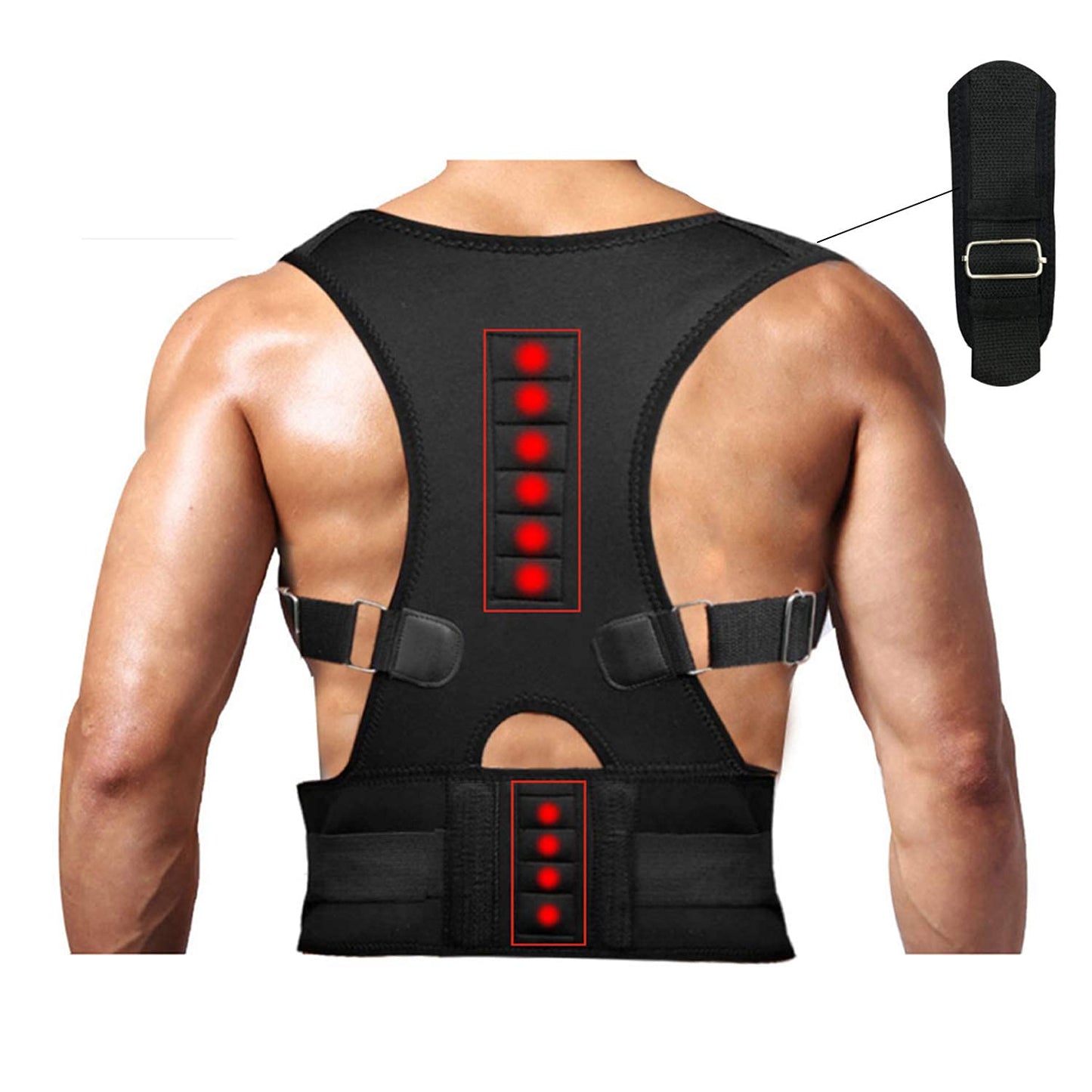
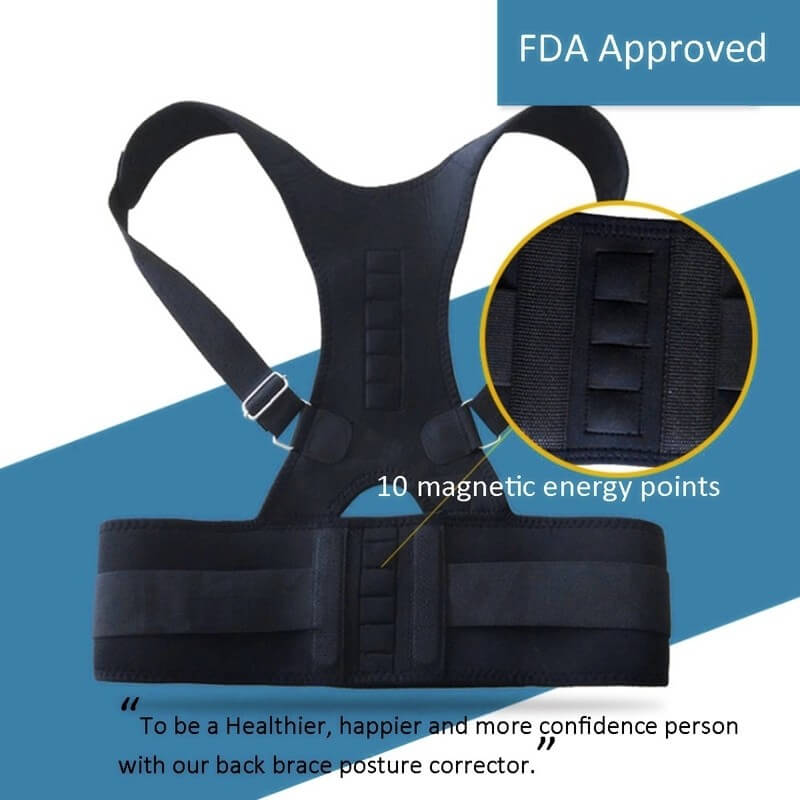
• Provides magnetic therapy to reduce inflammation in overworked upper back and shoulder muscles
Why the OptimalBack Magnetic Therapy Posture Corrector Is Built for This Work

Most posture correctors are designed for office workers — lightweight, decorative, not built for physical demands. The OptimalBack Magnetic Therapy Posture Corrector is different. Here's why construction workers specifically benefit from it:
Magnetic Therapy for Inflammation
Construction work creates chronic inflammation in the upper back, shoulders, and neck. The integrated magnetic therapy nodes in the OptimalBack corrector target these specific areas — reducing inflammation, improving circulation, and accelerating muscle recovery between shifts. This is the feature that separates this corrector from every basic brace on the market.
Wearable Under Work Clothing
The low-profile design fits comfortably under high-visibility vests, heavy work shirts, and even light jackets. No bulk. No adjustment needed throughout the day. You put it on in the morning and forget it's there — while it quietly does its job.
Adjustable for Different Body Types
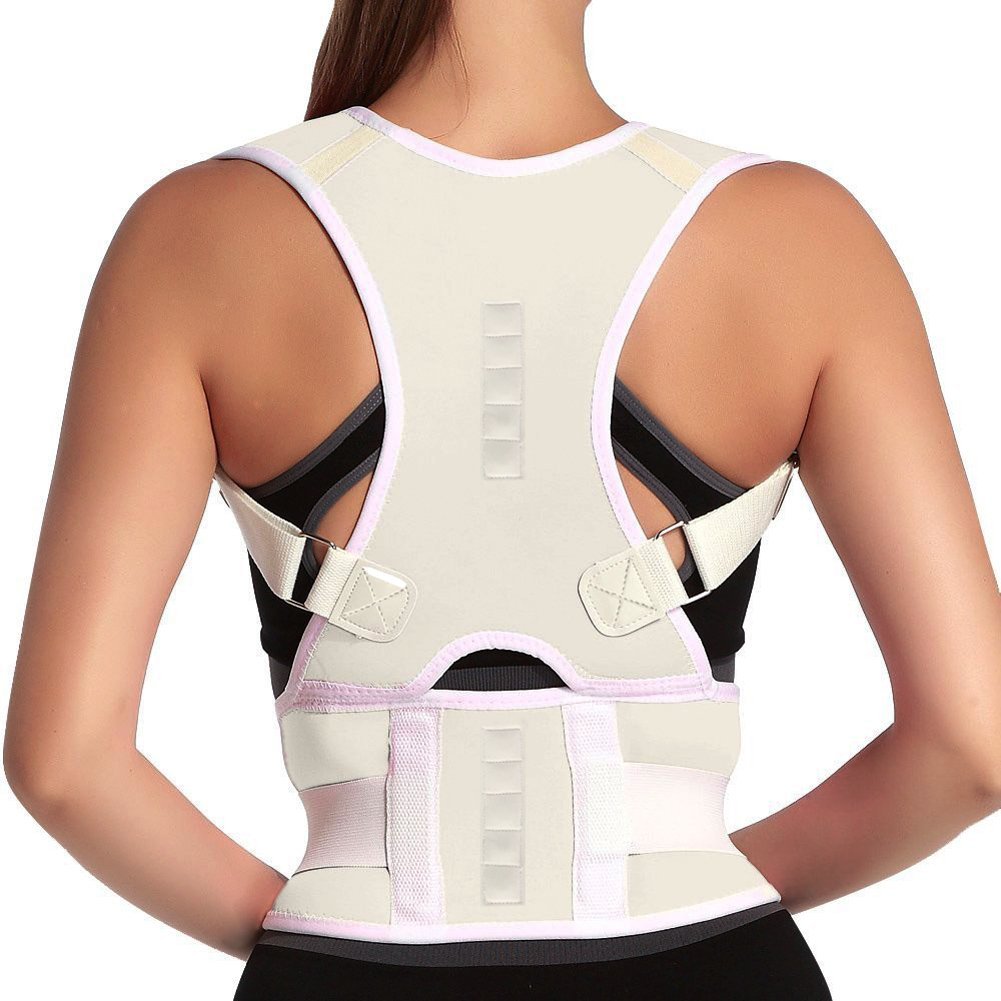
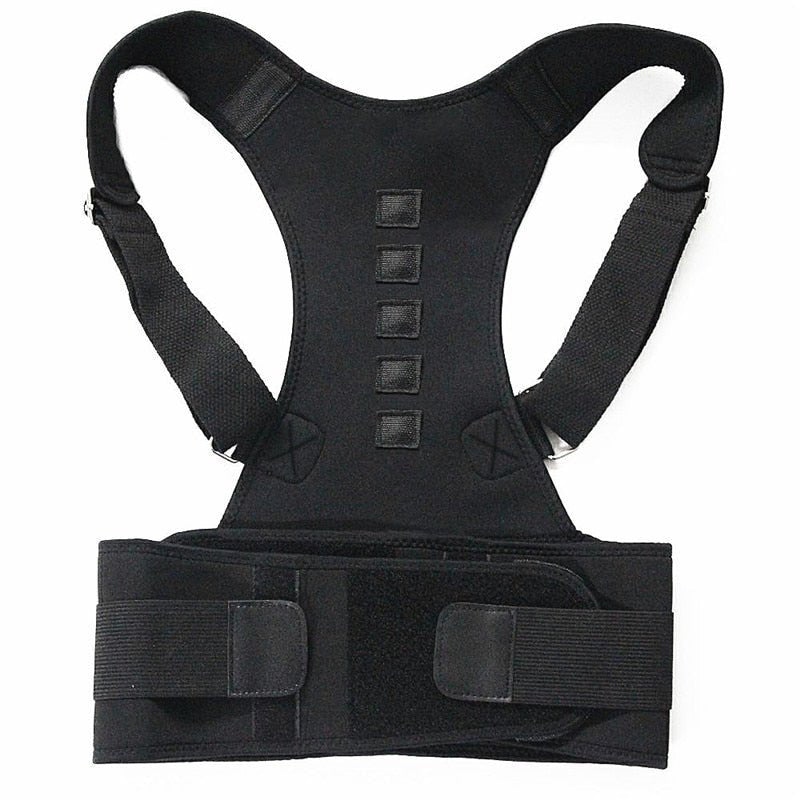
Construction workers come in every size. The fully adjustable strap system accommodates a wide range of chest sizes and body types, ensuring the corrective tension is applied correctly regardless of your build.
Durable Enough for Job Site Conditions
This is not a fragile wellness product. It's built to handle real working conditions — sweat, movement, dust, and the physical demands of a full day on a job site.
How to Use It on a Construction Site
For maximum benefit as a construction worker, follow this usage protocol:
• Wear it for the first 30-60 minutes of your shift while your body establishes alignment
• Remove it during the most physically demanding tasks (heavy lifting, overhead work) — use it as a reset tool, not a replacement for proper lifting technique
• Put it back on during tasks that require sustained forward lean or tool use
• Wear it during breaks when your body naturally wants to slouch
• Gradually increase wear time as your postural muscles strengthen
Construction Workers Who Made the Switch — What They Say
|
⭐⭐⭐⭐⭐ "I've been in roofing for 22 years. My upper back was so bad I was thinking about getting out. Started wearing this and within two weeks the daily tension headaches I'd been having for years just stopped. My wife noticed I was standing straighter before I even did." — Mike T., Roofing Contractor
⭐⭐⭐⭐⭐ "Electrician, 15 years. The magnetic therapy was what sold me — I was skeptical but the warmth it creates in my upper back is real. I wear it during rough-in work when I'm bent over junction boxes all day. Game changer." — Carlos R., Licensed Electrician
⭐⭐⭐⭐⭐ "General contractor here. I bought one for myself and ended up buying two more for guys on my crew who were complaining about back pain. Best $35 I've spent on crew welfare." — James D., General Contractor |
The Bottom Line for Construction Workers
Your back is your most valuable professional asset. It's what gets you on the job site every morning and keeps you productive for decades. Every year you neglect your spinal health is another year of cumulative damage that compounds into something that can't be corrected.
The OptimalBack Magnetic Therapy Posture Corrector is one of the simplest, most cost-effective tools available to protect your back — and unlike surgery, physical therapy, or prescription pain medication, it costs less than a single co-pay.
Your spine built the buildings people live and work in. It deserves the same investment.

|
→ Shop the Magnetic Therapy Posture Corrector optimalback.com/products/magnetic-therapy-posture-corrector ✅ 30-Day Money-Back Guarantee | Free Shipping | Doctor Recommended |
Frequently Asked Questions
Can I wear a posture corrector while doing heavy lifting?
We recommend removing the corrector during maximum-effort lifts and using it as a training and reset tool rather than a lifting aid. Proper lifting technique and a back brace designed for heavy lifting are appropriate for extreme loads. The posture corrector is most beneficial during sustained postures and moderate-intensity work.
How long does it take to see results?
Most users notice reduced tension and improved awareness within the first week. Measurable postural change typically occurs within 3-6 weeks of consistent use, as the muscles supporting your spine begin to retrain their resting position.
Will it fit under my work gear?
Yes. The low-profile design fits comfortably under standard work clothing, high-visibility vests, and light outerwear. It is not designed to be worn under heavy insulated work jackets.
Is the magnetic therapy safe?
Yes. Magnetic therapy at the field strengths used in posture correctors is well-studied and considered safe for general use. If you have a pacemaker or other implanted electronic medical device, consult your physician before use.