
Back pain is now the #1 cause of disability worldwide — and desk workers are the most at-risk group. If you've been searching for a posture corrector, you've probably noticed there are dozens of options. This guide breaks down exactly what to look for, what to avoid, and which type is right for your situation.
Already know what you need? Browse our full range of posture correctors and back support products.
What Does a Posture Corrector Actually Do?
A posture corrector is a wearable device that gently pulls your shoulders back and supports your spine in proper alignment. Used consistently, it retrains the muscles responsible for holding good posture — so over time, you maintain correct alignment even without wearing it.
Think of it like a cast for a broken bone: it holds things in place while your body heals and adapts. The goal is always to need it less over time, not more.
Related: Why Desk Workers Get Back Pain (And How to Fix It Without Surgery)
The 4 Types of Posture Correctors
1. Upper Back Braces (Most Popular)
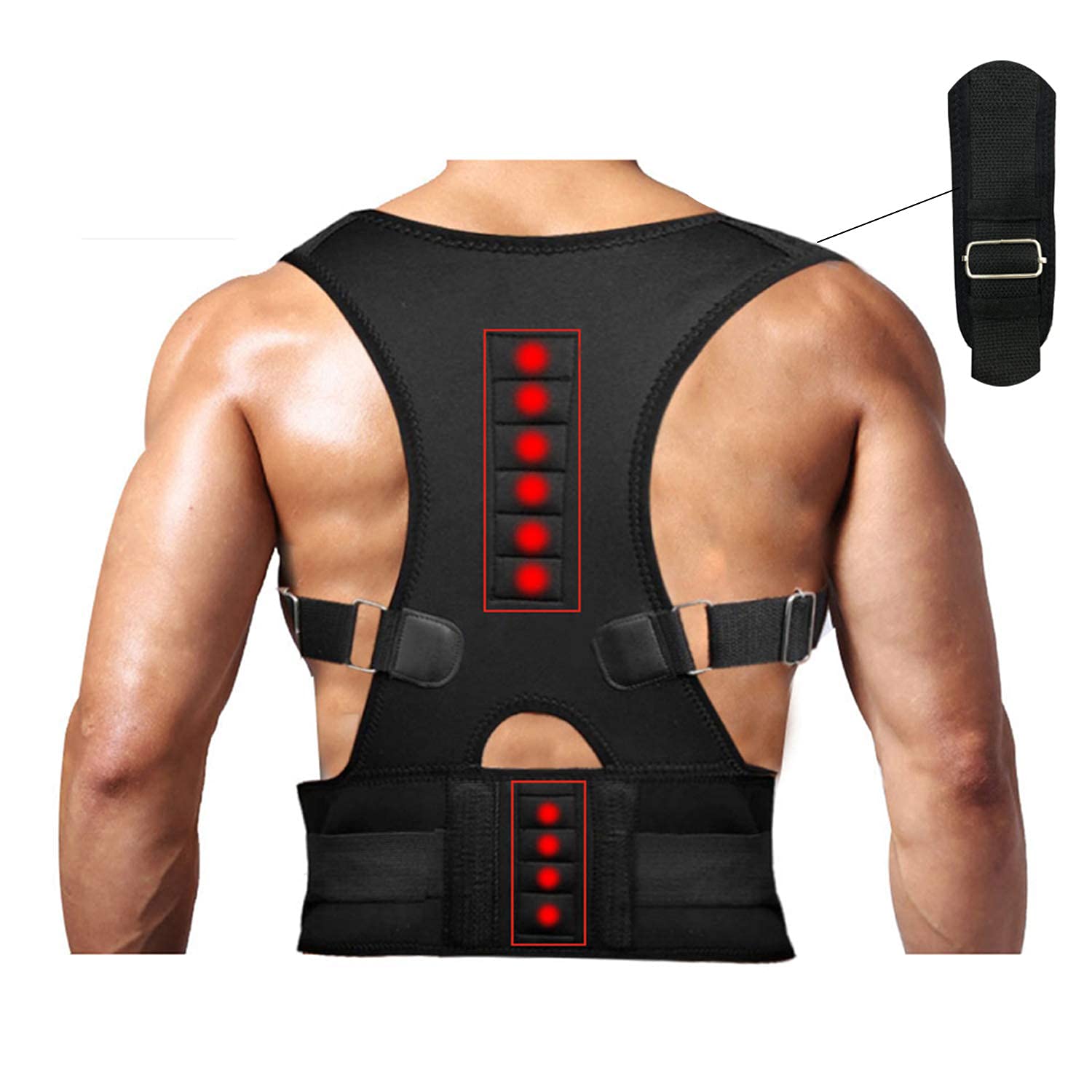
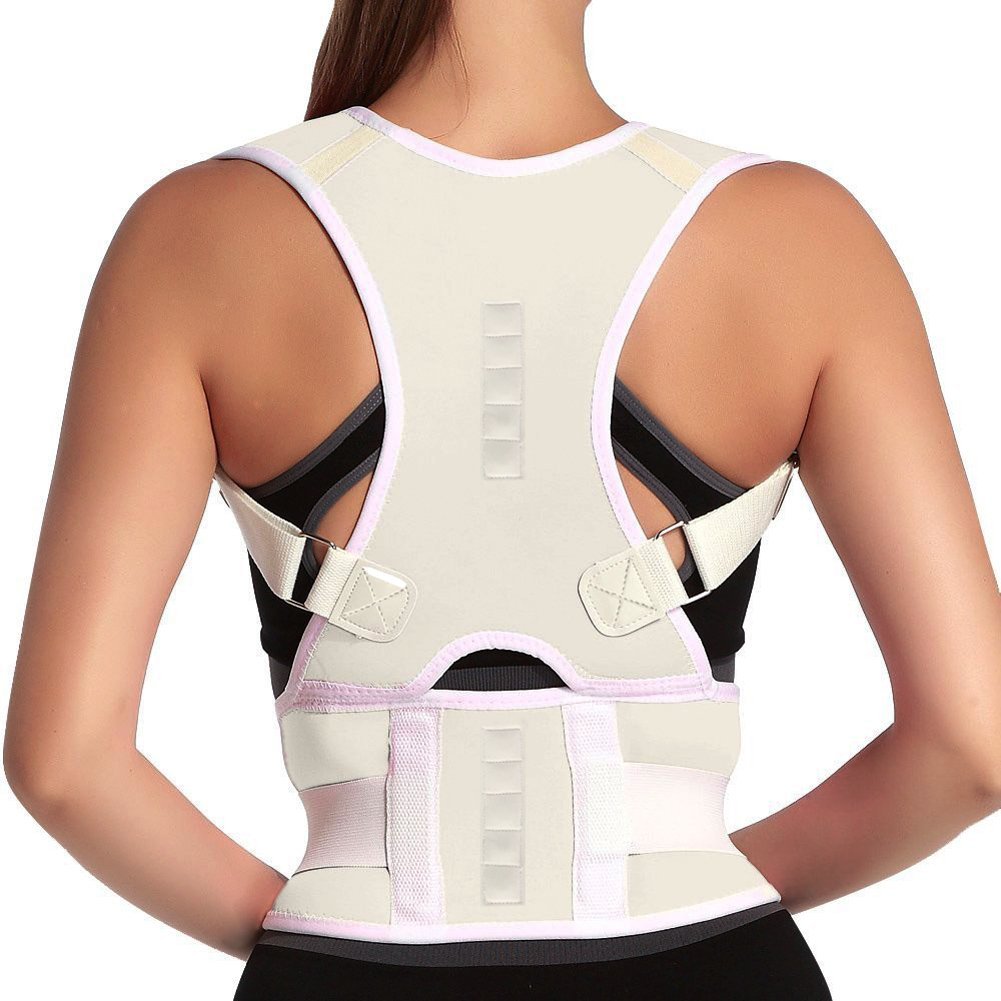
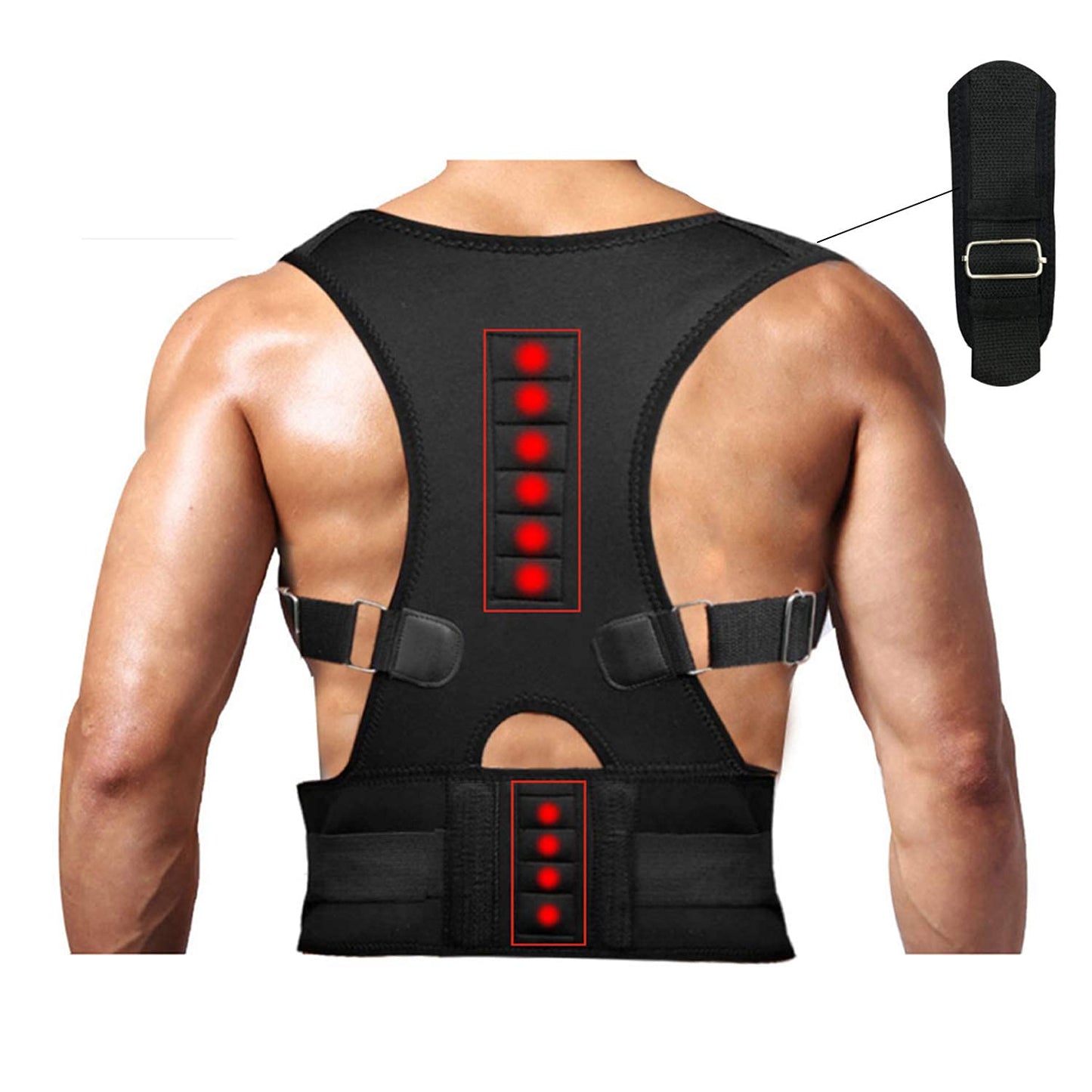
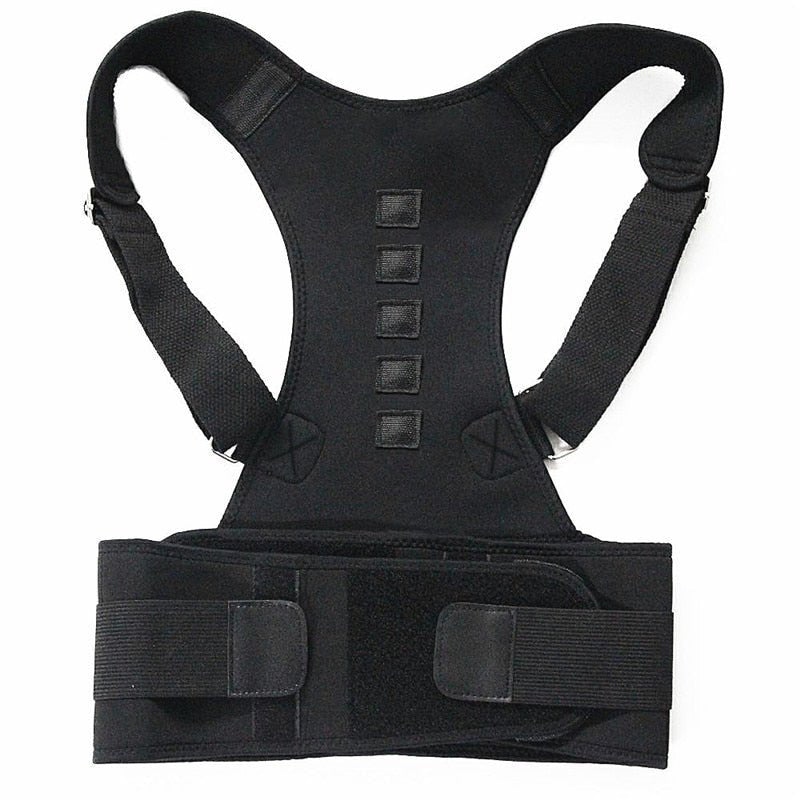
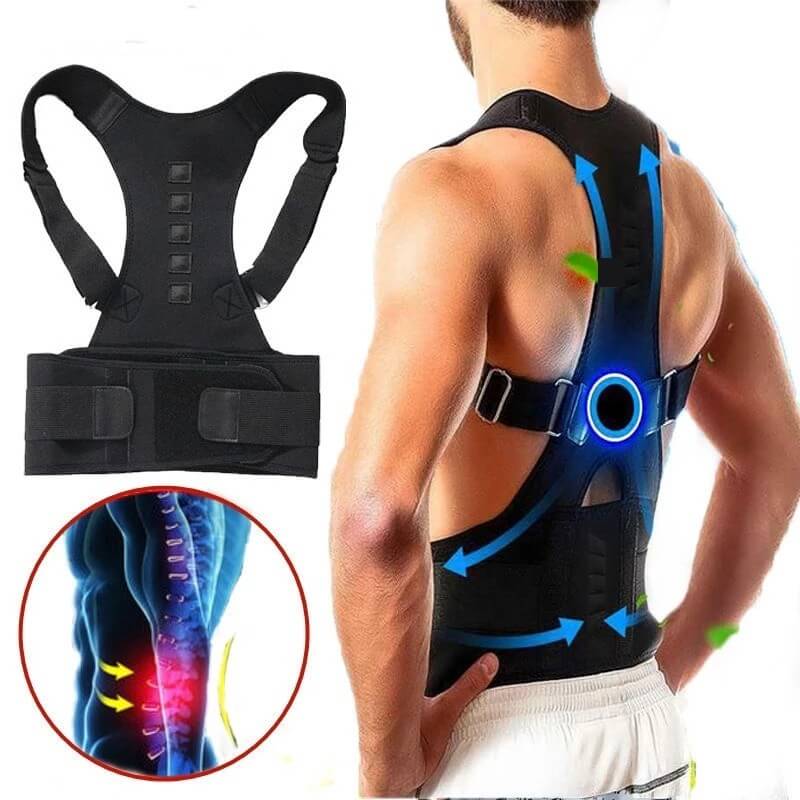
These wrap around your shoulders and upper back, pulling the shoulder blades together and opening the chest. Best for: rounded shoulders, forward head posture, thoracic kyphosis.
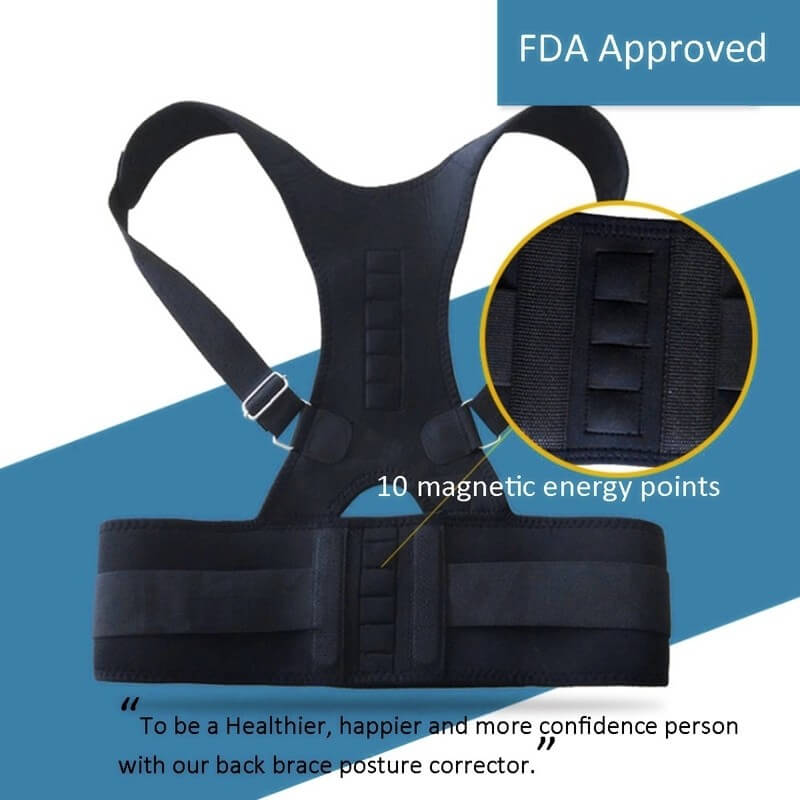
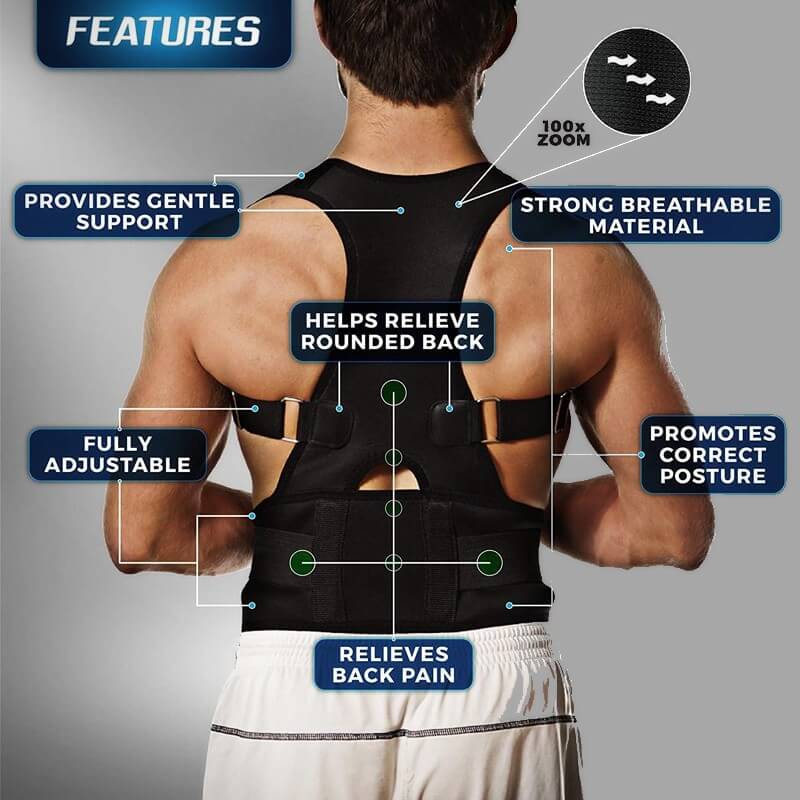
Our top pick: SpineAlign Pro Posture Corrector Brace — adjustable, breathable, and designed for all-day wear.
2. Full Back Support Braces
Cover both upper and lower back. Best for: people with both lumbar and thoracic issues, post-injury recovery, or those who sit for extended periods.
Try: Back & Shoulder Posture Corrector Brace — full coverage with adjustable compression.
3. Smart/Posture-Sensing Braces
Use sensors to vibrate when you slouch, training awareness without constant physical restriction. Best for: people who want feedback rather than physical correction.
See: Smart Posture Support Brace for Back and Shoulders
4. Women's Posture Support Bras
Combine everyday support with posture correction — ideal for women who want correction without a visible brace under clothing.
See: Women's Posture Corrector Support Bra
What to Look for When Buying
- Adjustability — One-size rarely fits all. Look for multiple adjustment points at the shoulders and chest.
- Breathability — You'll be wearing this for 30-60 minutes daily. Mesh or perforated materials prevent overheating.
- Comfort over restriction — A good corrector guides, not forces. If it's painful to wear, it won't retrain anything.
- Washability — It will be against your skin daily. Machine washable is a must.
- Discreetness — If you plan to wear it at work, look for low-profile designs that sit flat under a shirt.
How to Use a Posture Corrector Correctly
- Start with 20-30 minutes per day for the first week
- Gradually increase to 1-2 hours over 3-4 weeks
- Wear during activities where you typically slouch (desk work, driving)
- Combine with stretching and strengthening exercises for best results
- Never sleep in a posture corrector
Frequently Asked Questions
Q: How long until I see results from a posture corrector?
A: Most users notice reduced muscle tension within 1-2 weeks. Visible posture improvement typically takes 4-8 weeks of consistent daily use.
Q: Can I wear a posture corrector all day?
A: No — limit use to 1-2 hours per day. Wearing it too long prevents your muscles from doing the work themselves, creating dependency rather than improvement.
Q: What size posture corrector should I get?
A: Measure your chest circumference and refer to the size guide on each product page. When in doubt, size up — you can always tighten, but you can't loosen a brace that's too small.
Q: Are posture correctors safe?
A: Yes, when used as directed. Avoid wearing during sleep or exercise. If you have a spinal injury or condition, consult your doctor before use.
Q: Do posture correctors work for lower back pain?
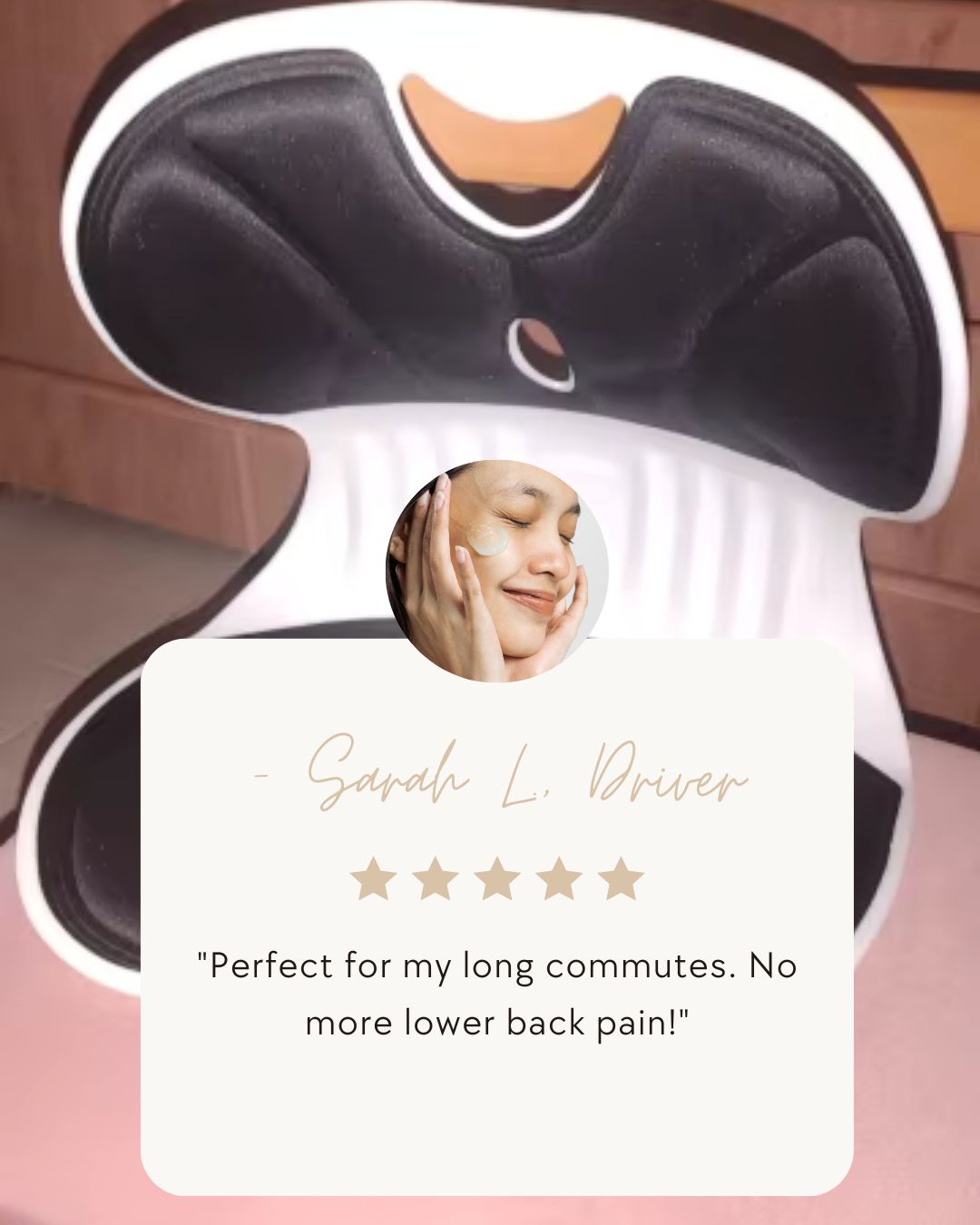
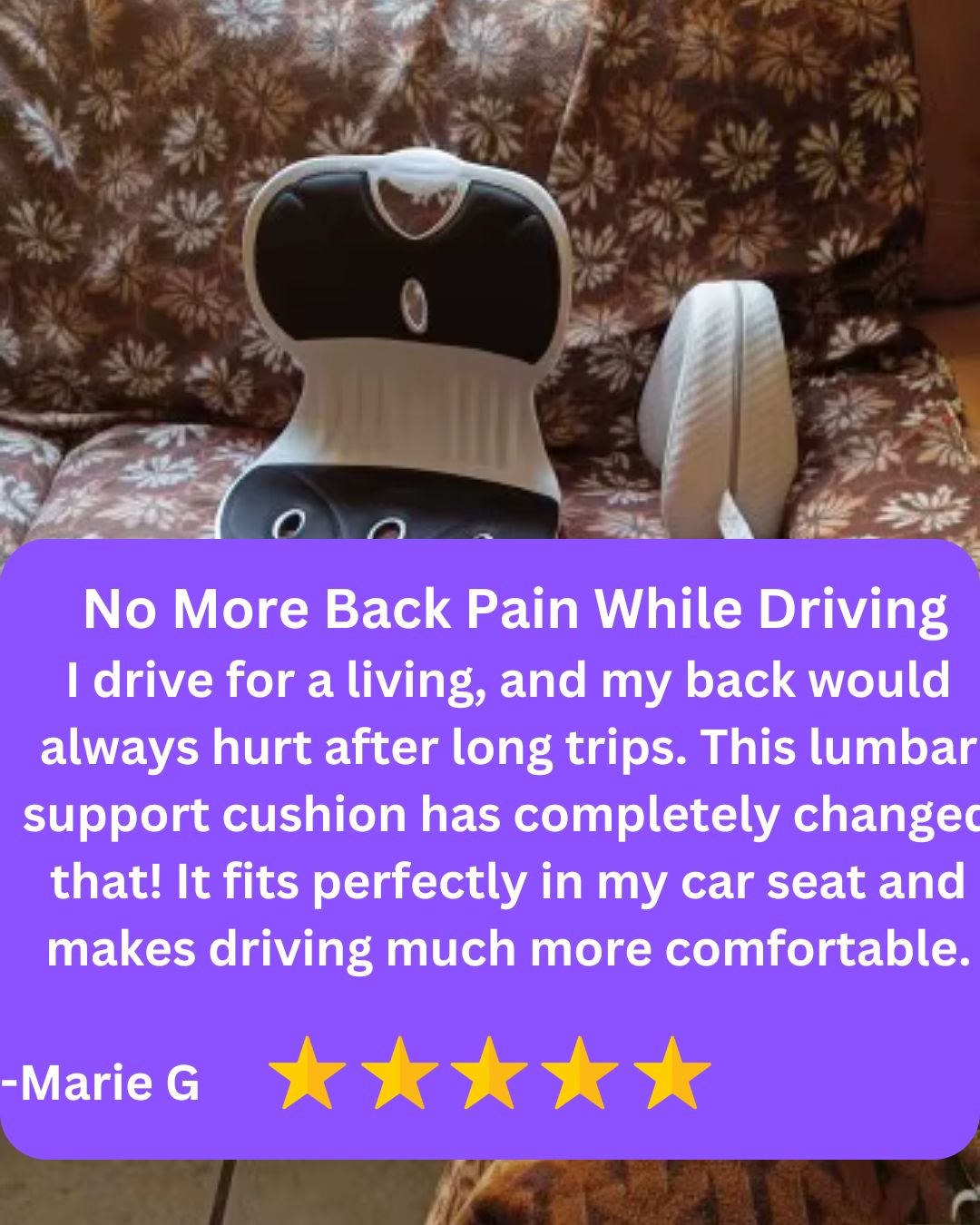
A: Upper back braces primarily address thoracic and shoulder issues. For lower back pain, pair with a lumbar support cushion for best results.
Ready to Fix Your Posture?
Browse our full collection of posture correctors — each designed for a specific need, body type, and lifestyle. Free shipping on all US orders.