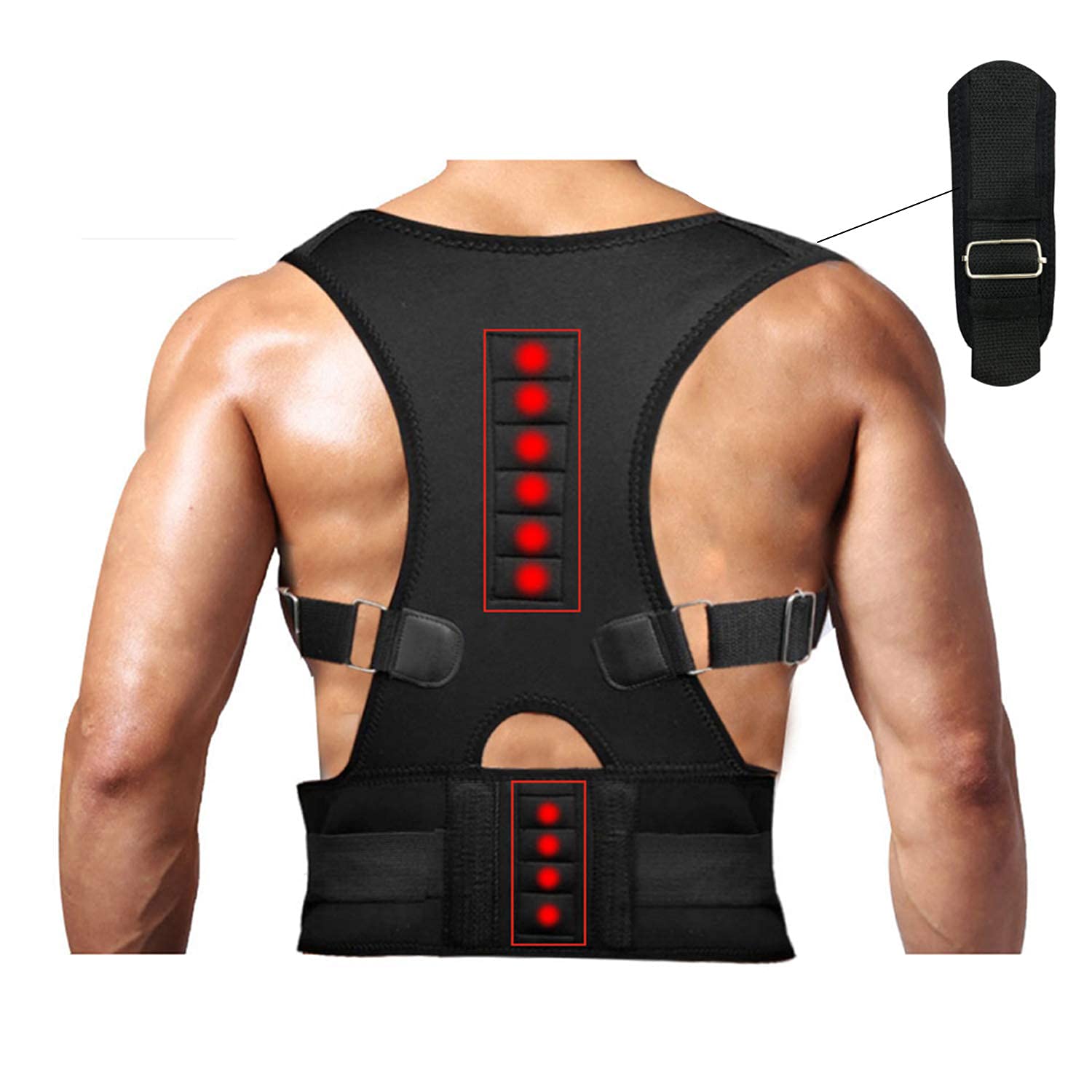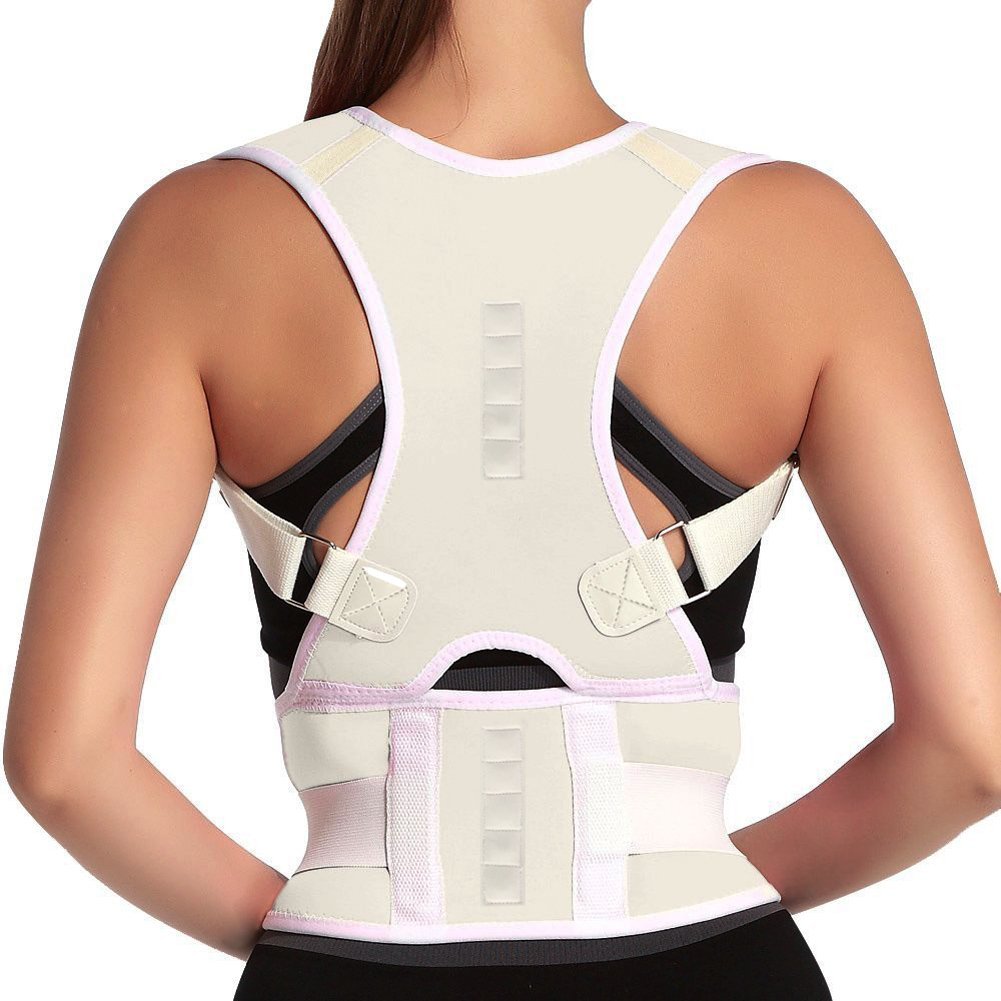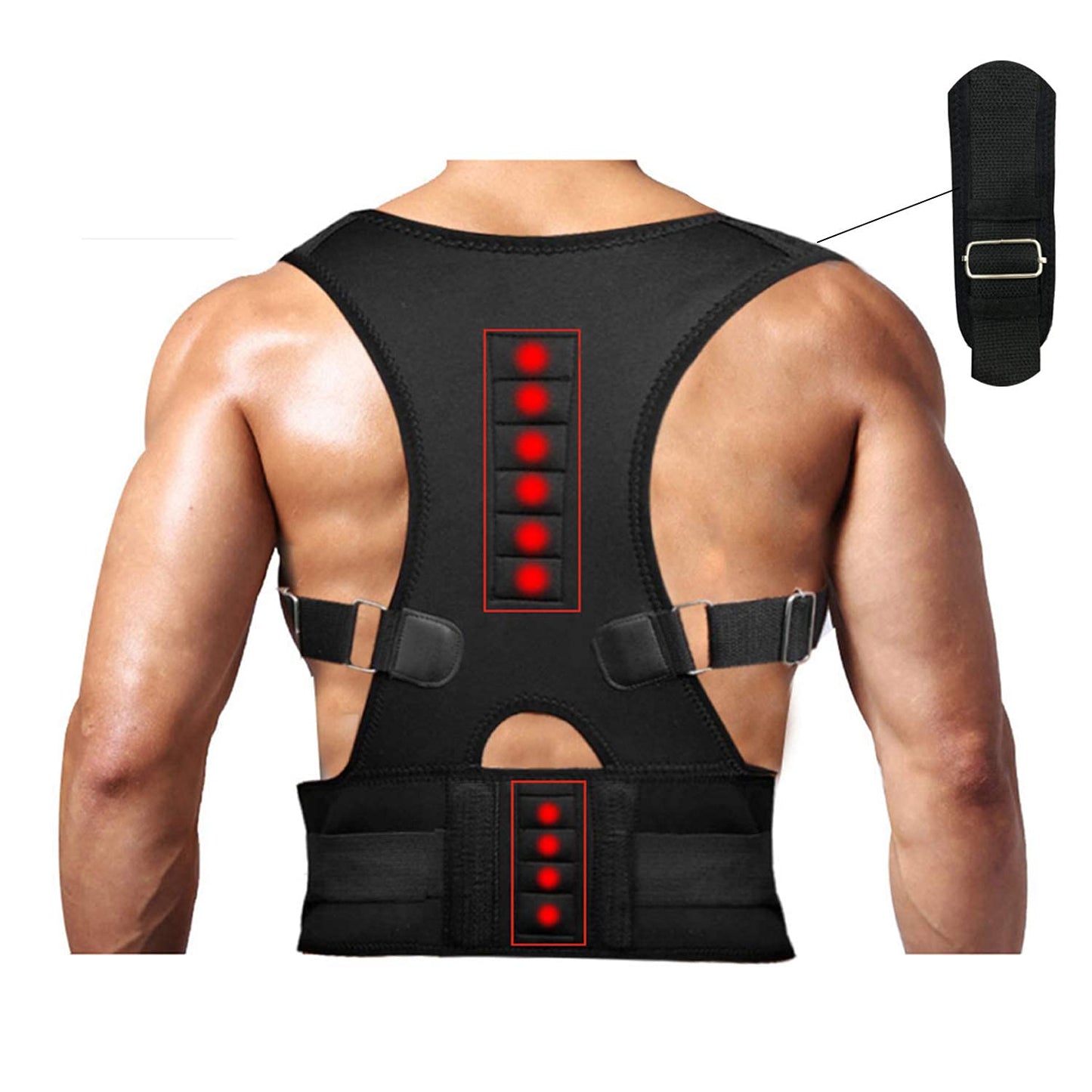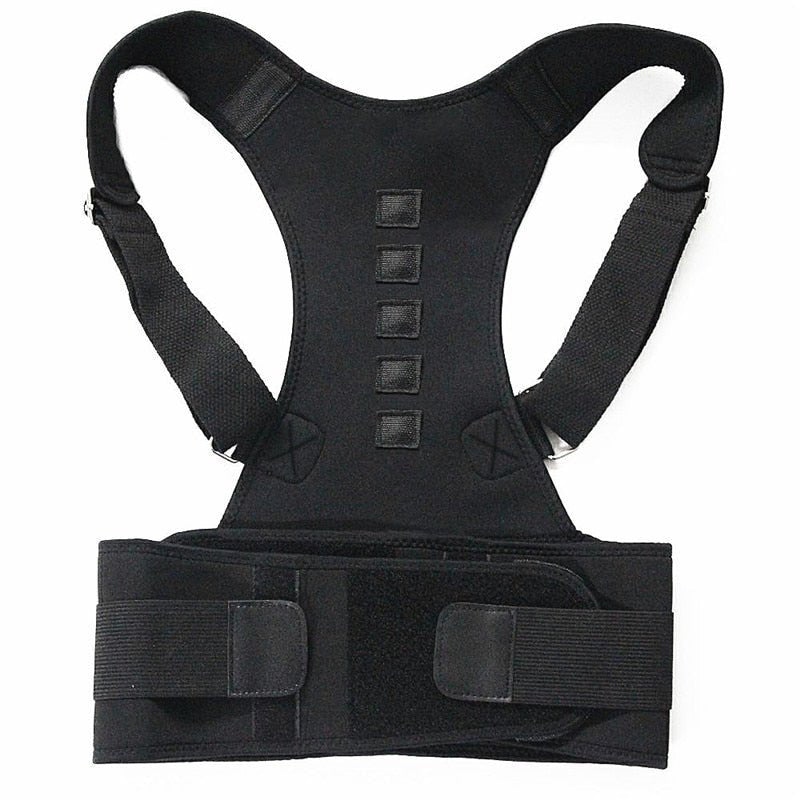

You've Been Sitting for 3 Hours. Here's What's Happening to Your Body Right Now.
Reading time: 5 minutes | If you work at a desk, this is about you.
Right now, as you read this, something is happening inside your body that you cannot feel — but will absolutely feel tomorrow morning.
Your hip flexors are tightening. Your lumbar discs are compressing unevenly. The muscles along your spine — the ones designed to hold you upright — have quietly given up and handed the job to your ligaments instead. Ligaments that were never built for it.
This is what sitting does. Not after years. After hours.
The science is more alarming than most people realize
A landmark study published in the Annals of Internal Medicine tracked over 8,000 adults and found that people who sat for prolonged, unbroken periods had a significantly higher risk of early death — even when they exercised regularly. The phrase researchers used was 'independently associated with all-cause mortality.' In plain language: sitting too long can shorten your life, regardless of what else you do.
Here is what chronic sitting does to your body, system by system
|
The research says sit less. Life says that's not always possible. The answer is: sit smarter. |
→ Try the OptimalBack Foldable Lumbar Cushion — 30-Day Money-Back Guarantee
Your spine is under load every hour you sit. Give it the support it needs — and stop losing the battle against your chair.

The solution isn't 'move more.' It's smarter support.
Standing desks help — but most people can't stand all day, and standing without proper support creates its own problems. Exercise is essential — but an hour at the gym doesn't undo eight hours of spinal compression. The research consistently points to one answer: break the sitting pattern AND support the spine while you sit.
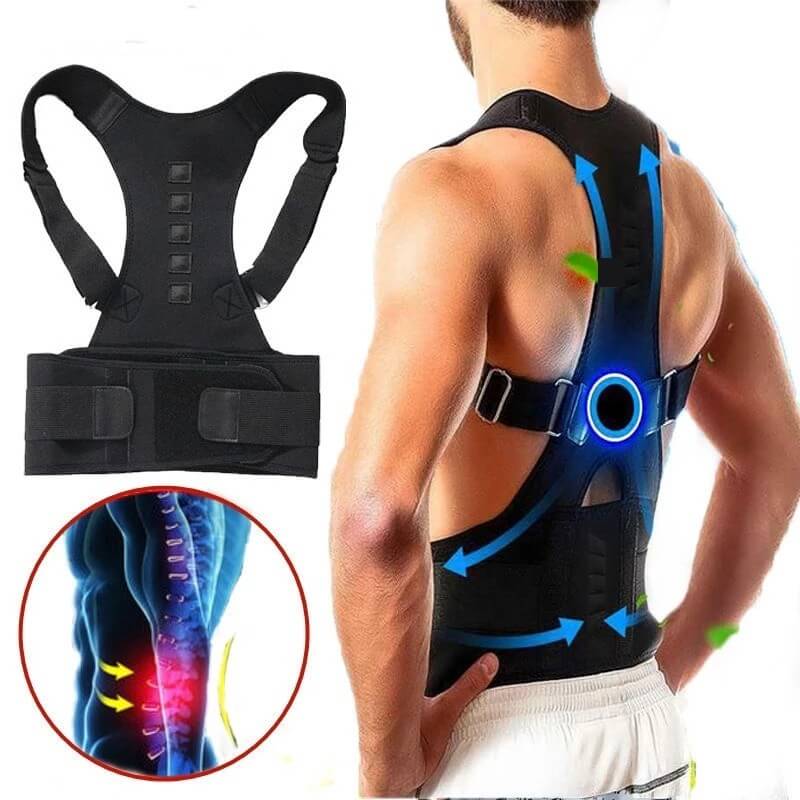
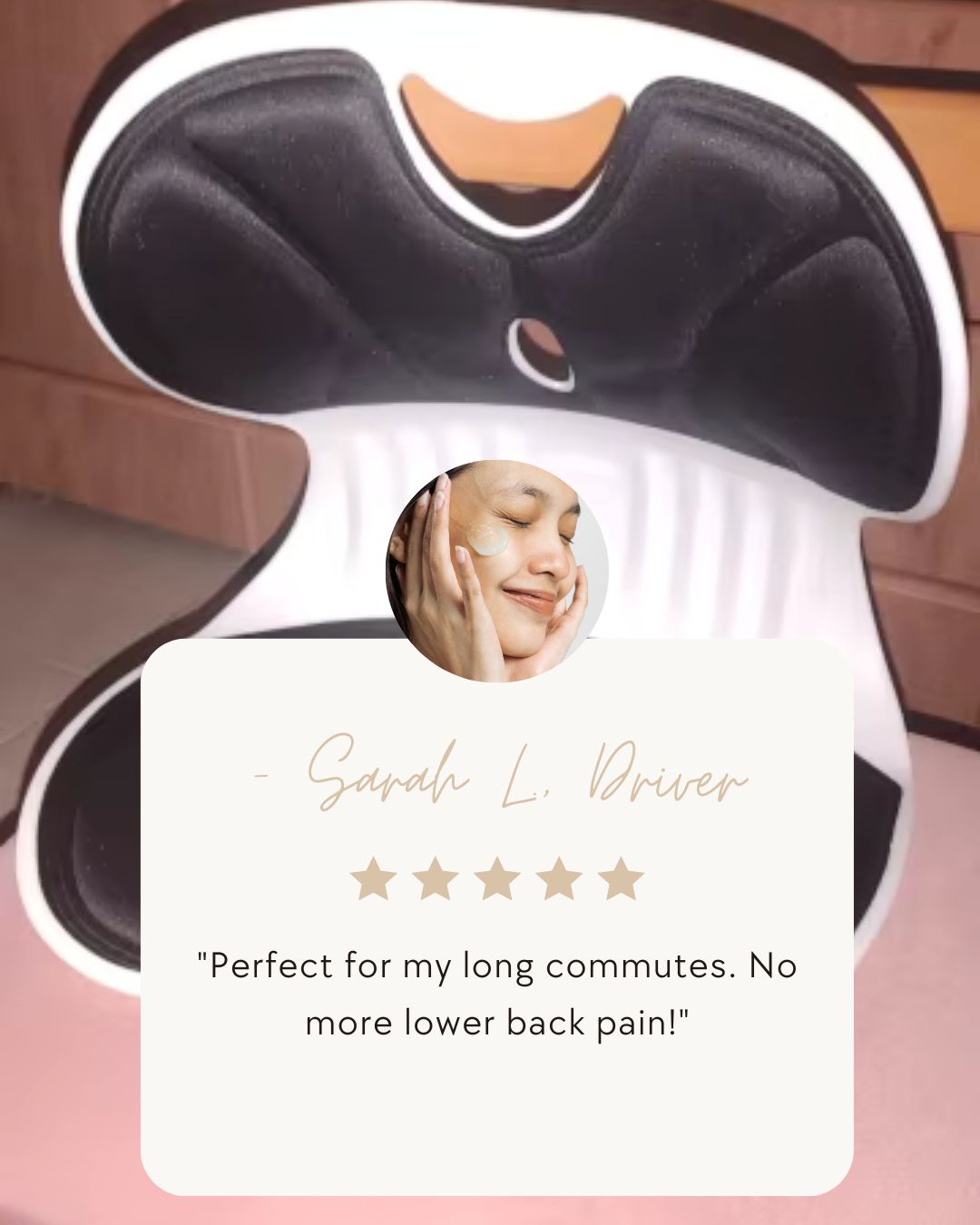
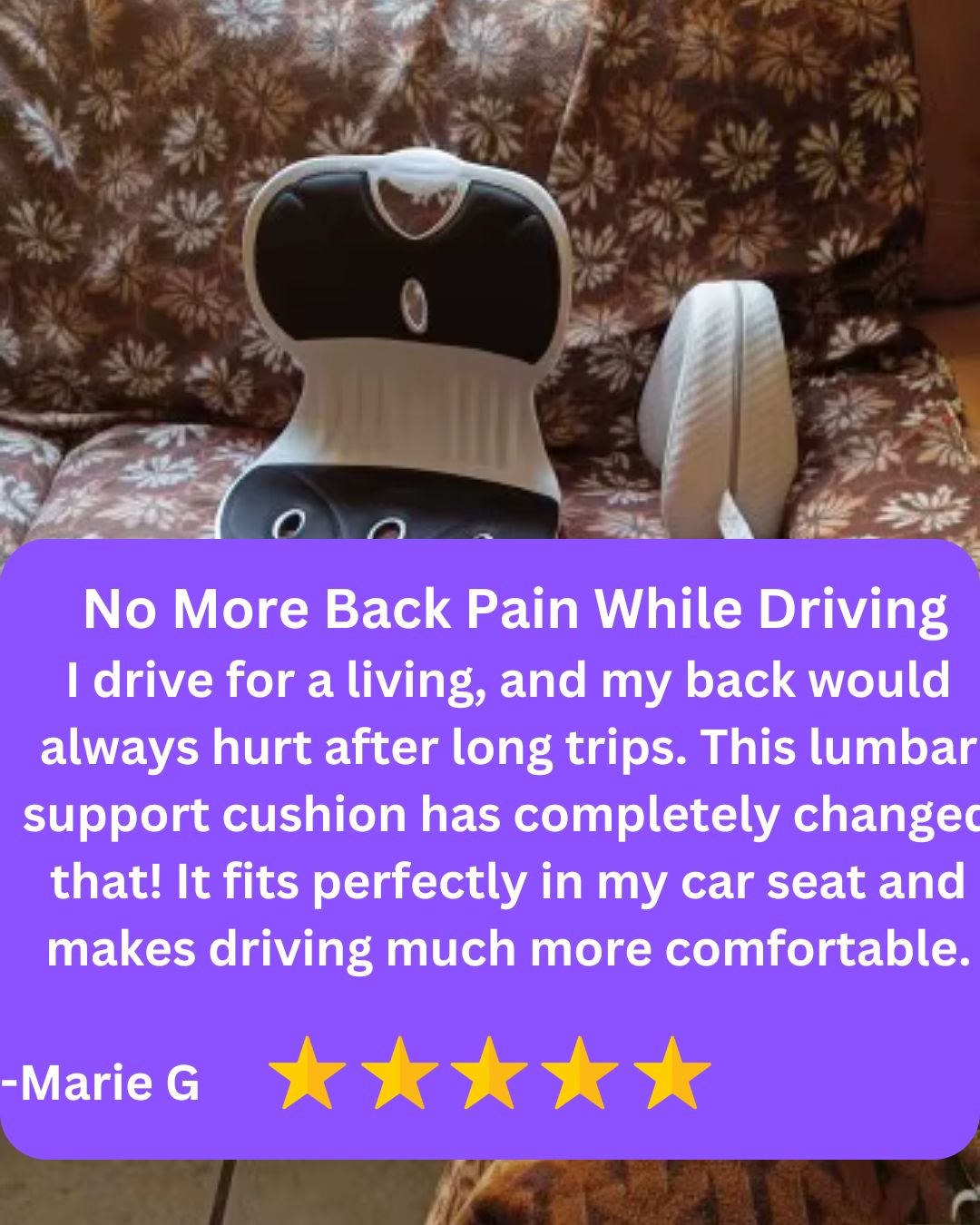
The OptimalBack Foldable Lumbar Cushion does the second part automatically. It maintains your lumbar curve in any seat — desk chair, car seat, plane seat — so your discs aren't compressing unevenly and your muscles aren't doing a job they can't sustain.
It takes 30 seconds to set up. It works in every seat you'll sit in today. And it's $35 — less than one co-pay.

Your spine
Intervertebral discs — the shock absorbers between your vertebrae — are largely avascular, meaning they don't have their own blood supply. They get nutrients through movement and compression cycles. When you sit still for hours, those cycles stop. Discs gradually dehydrate and lose height. Over years, this is how 'I just bent down to pick something up' becomes a herniated disc.
Your metabolism
Sitting shuts down an enzyme called lipoprotein lipase, which is responsible for breaking down fat in the bloodstream. Within two hours of sitting, its activity drops by up to 90%. Your body essentially stops processing fat while you're sedentary — which is why desk workers often struggle with weight gain despite not eating more than active people.
Your heart
A 2012 study in the Journal of the American College of Cardiology found that people who sat for more than four hours daily watching television had a 125% increased risk of cardiovascular events compared to those who sat less than two hours. The mechanism: prolonged sitting slows circulation, raises blood pressure, and allows inflammatory markers to accumulate.
Your mind
Reduced blood flow from sitting decreases the delivery of oxygen and glucose to the brain — two things it needs to function at full capacity. This is the biological explanation for the 3pm mental fog that office workers experience as a 'normal' part of the workday. It isn't normal. It's the predictable consequence of six hours in a chair.

Ergonomic Setup: Ensuring your desk and chair are at the correct height can help reduce strain on your body. The best way to counter is to have the right chair and or desk to be a proper height.