
Athletes are not supposed to admit when something hurts. You push through. You tape it, ice it, and get back on the field. But back pain is different — it compounds. Ignore a tight lower back today, and six months from now you may be facing a herniated disc that sidelines you for a season, or longer.
OptimalBack was founded by a former athlete who lived exactly that cycle. After years of training-related back pain and thousands of dollars spent on chiropractic care, he built a better solution: a line of back pain relief products specifically designed for people who put their bodies under serious physical load. Here's what athletes actually need.
Why Athletes Are Especially Vulnerable to Back Pain
High-impact sports, heavy lifting, and repetitive movement patterns all compress the spine over time. The lumbar vertebrae bear the brunt of this load. Unlike acute injuries that heal clearly, cumulative spinal compression is insidious — it builds silently until one day bending over to tie your shoes becomes an event.
The most common back issues athletes face include lumbar disc herniation (from explosive movements and heavy loads), facet joint irritation (from repetitive extension), muscle imbalances from sport-specific movement patterns, and sacroiliac joint dysfunction from asymmetrical training.
The OptimalBack Recovery Protocol for Athletes
Athletes need products that fit into their existing recovery routine — fast, effective, and able to withstand heavy use. Here is the protocol our athletic customers use most frequently:
Step 1: Post-Training Spinal Decompression
After any heavy training session, lie on the OptimalBack Back Stretcher for 10 minutes. Heavy squatting, deadlifting, running, and court sports all compress the lumbar spine. The 26-degree decompression arch counteracts this compression, promoting disc re-hydration and nerve decompression before inflammation sets in.
Many strength athletes report that post-training back stretcher use has allowed them to train more frequently by eliminating the next-day spinal stiffness that previously forced rest days.
Step 2: Posture Correction During Off-Hours
Athletes often have great posture during activity and terrible posture everywhere else — slouching in class, at the desk, or on the couch for hours of recovery. This off-field posture undoes much of the muscular work done during training.

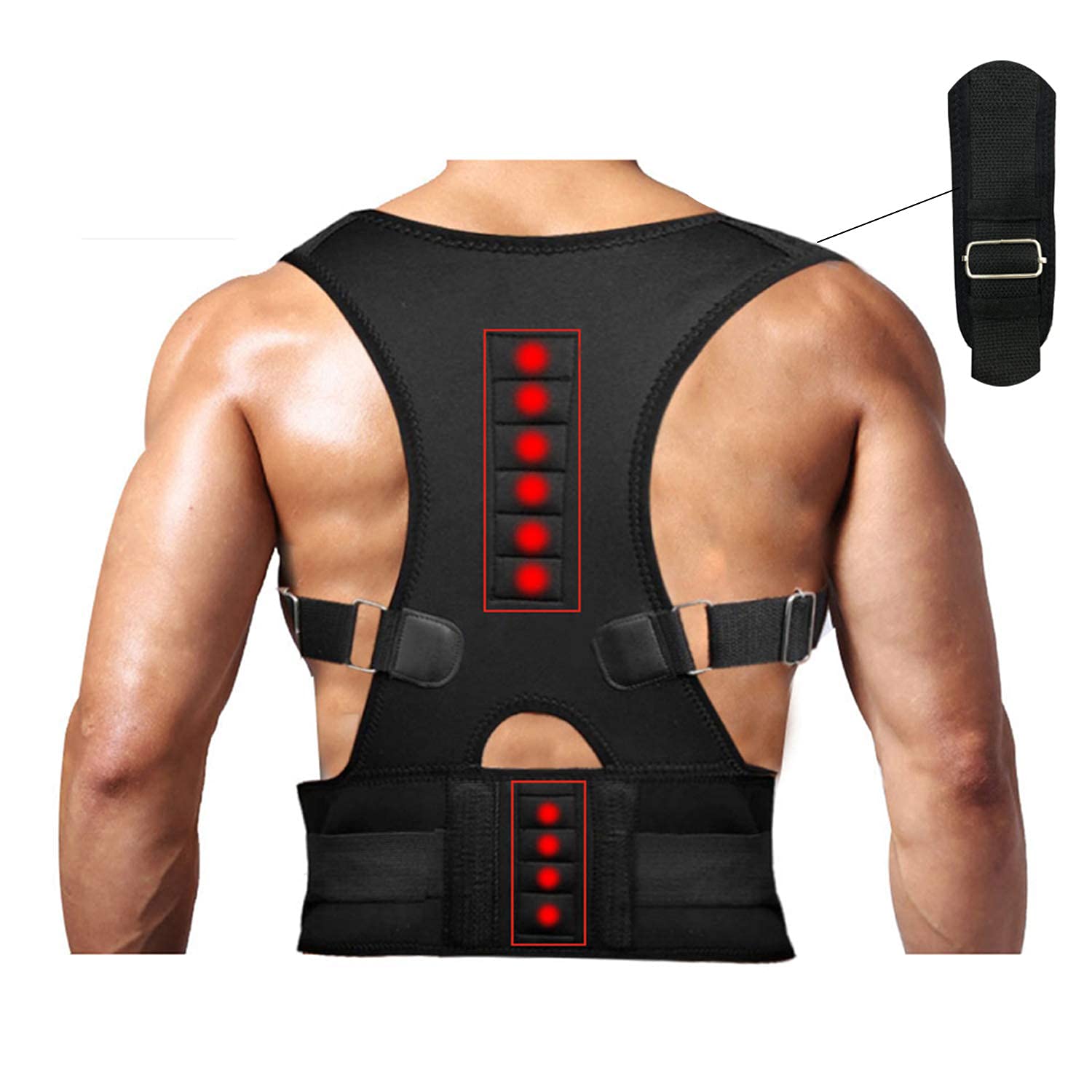
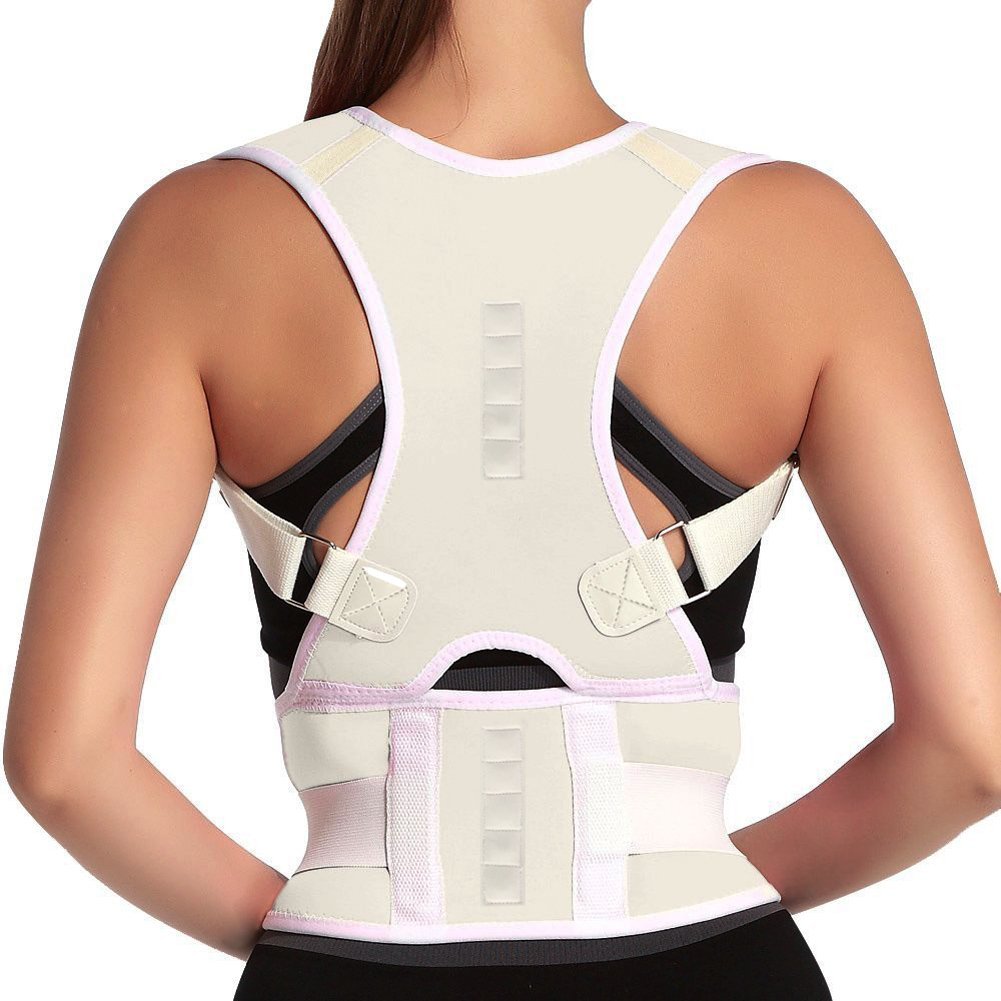
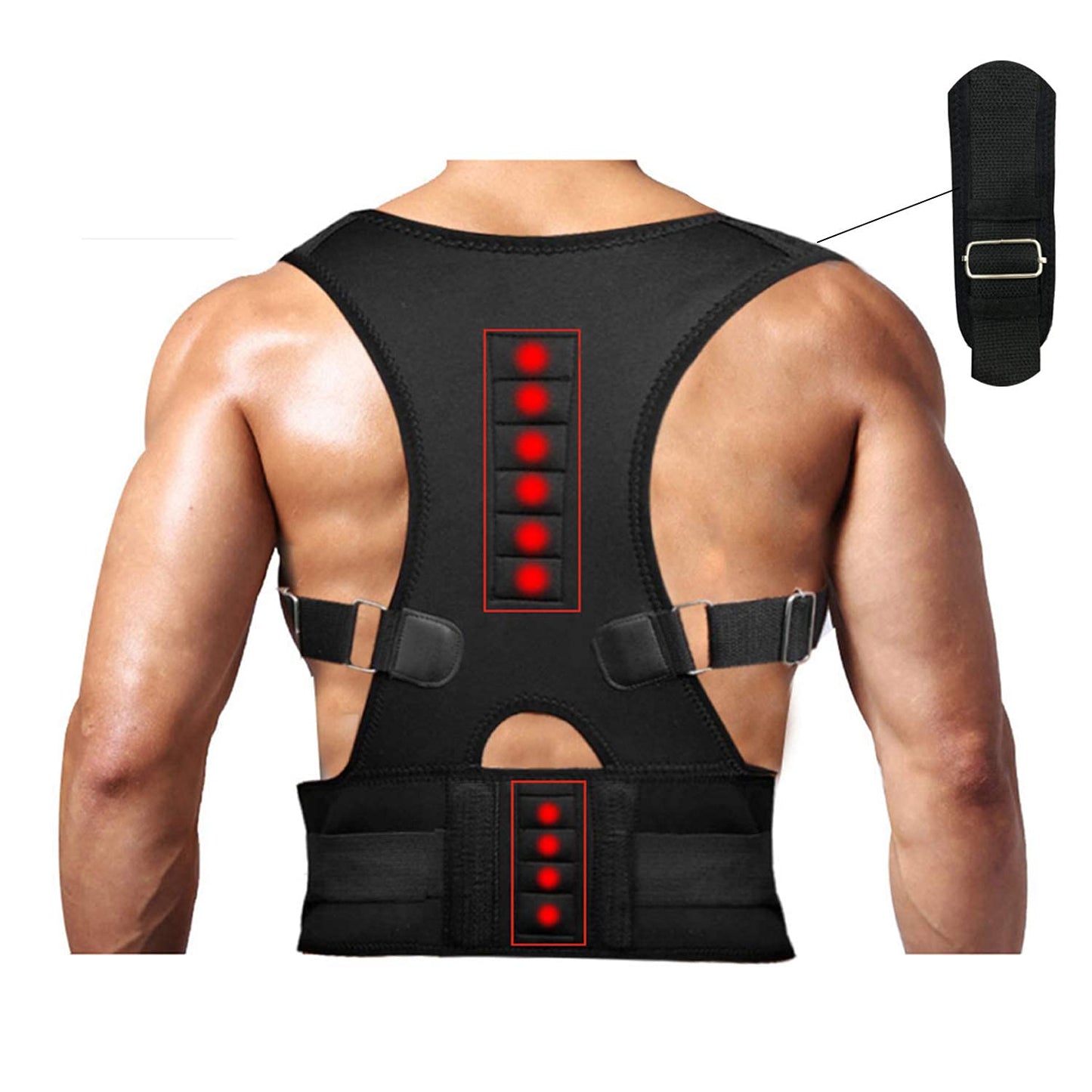
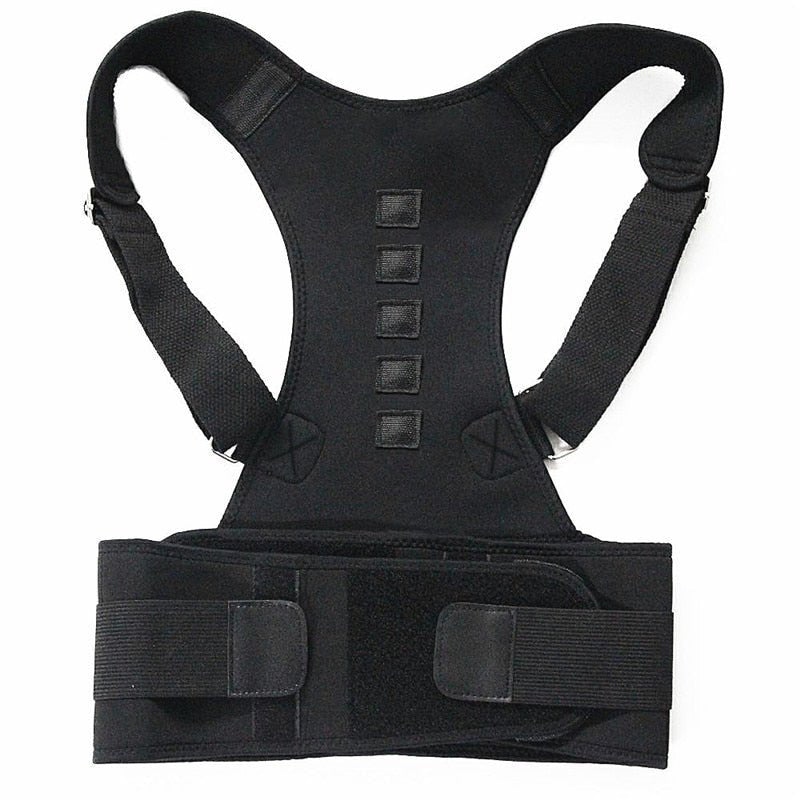
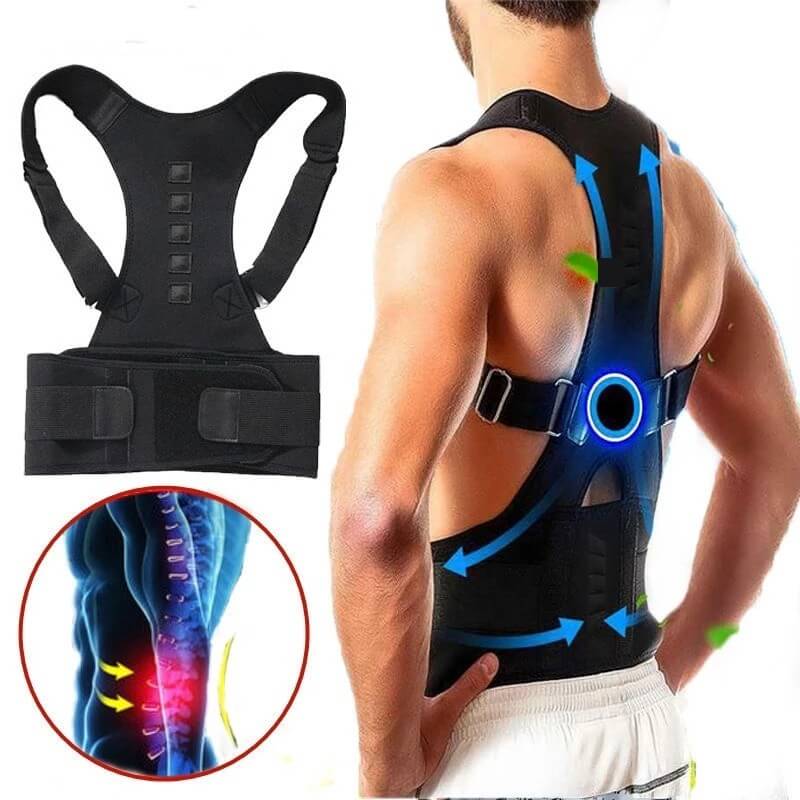
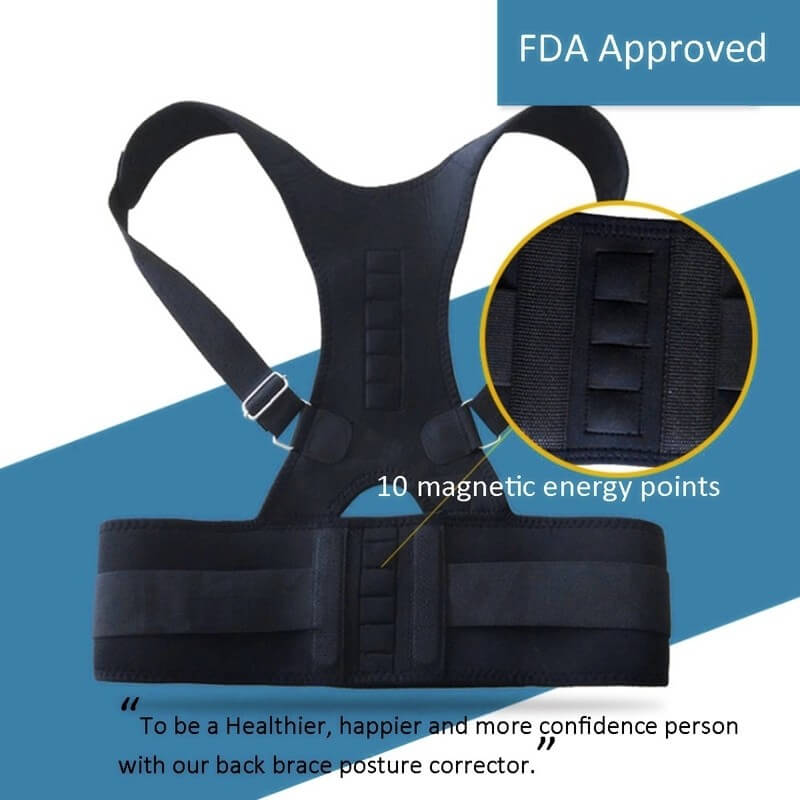
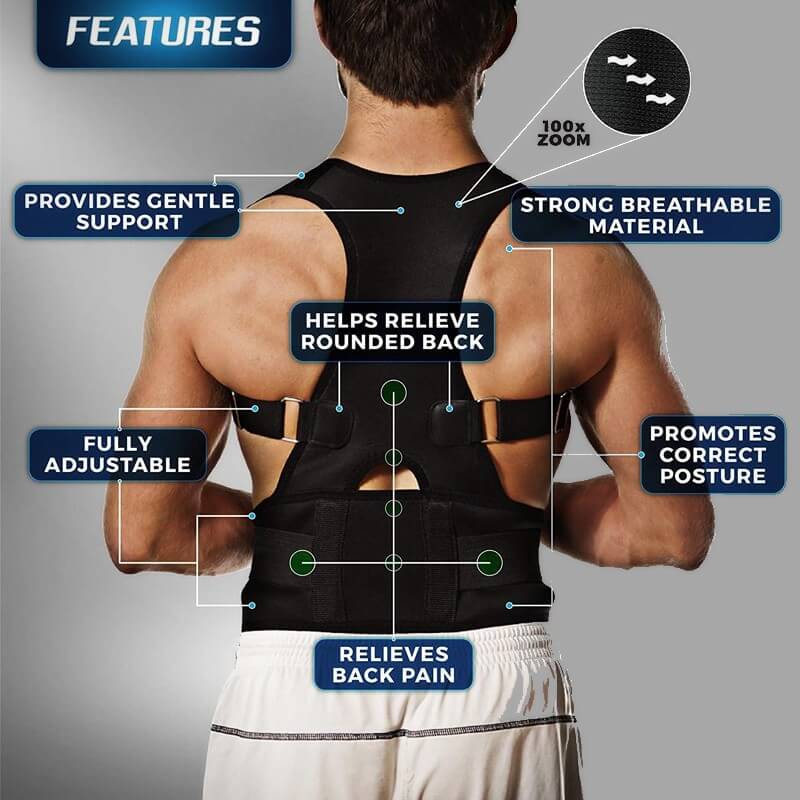
The OptimalBack Posture Corrector worn for 20-30 minutes per day during sedentary time builds the upper back muscle memory that carries over to better form under load. Athletes who wear it consistently report improved awareness of spinal position even during training.
Step 3: Sleep Support
Recovery happens during sleep. Poor sleep position — especially for side sleepers — creates hip and lower back misalignment that negates hours of therapeutic work. The OptimalBack Memory Foam Leg Pillow placed between the knees aligns the hips and reduces lower back rotation during sleep, allowing the spine to fully decompress through the night.
Athletes dealing with acute lower back pain or sciatica consistently rate this product as the most immediately impactful change in their recovery routine.
What Athletes Should Look for in Back Pain Products
- Durability: Products that can handle daily heavy use. Not flimsy plastic that cracks after a month.
- Portability: Athletes travel. Products should be compact enough to take to competitions or training camps.
- Speed: Athletes don't have 45-minute therapy sessions to spare. Products that deliver results in 10-15 minutes win.
- Non-invasive: No athlete wants to be sidelined by a reaction to a new treatment. Passive mechanical devices carry near-zero risk.
- Cost-effective: Training already costs a fortune. Products that replace ongoing professional fees are worth the investment.
Frequently Asked Questions
Q: Can I use a back stretcher the same day as a heavy workout?
Yes — in fact, this is the optimal time to use it. Post-training decompression is more effective than pre-training use because the muscles are warmed up and receptive to stretching, and you are reversing the compression just applied during training.
Q: Will a posture corrector make my muscles weak?
No — a posture corrector used as directed (20-30 minutes per day for retraining, not worn continuously) builds muscle memory and supports muscle activation. It is not a substitute for active muscle engagement, but a training aid.
Q: I'm a construction worker, not a traditional athlete. Do these products apply to me?
Absolutely. Construction workers are some of our most dedicated customers. The physical load on the spine from construction work rivals that of competitive athletics. The same protocol applies: daily post-shift back stretcher use, posture corrector during sedentary hours, and sleep support.
OptimalBack products are built by a former athlete for people who refuse to accept back pain as a permanent limitation. With free US shipping, a 30-day money-back guarantee, and over 29,000 satisfied customers, we stand behind every product we ship.