
Reading time: 7 minutes | For ballet dancers, contemporary performers, ballroom competitors, and anyone whose art demands perfect alignment.

Your Art Demands Perfect Posture. Your Body Needs Help Maintaining It.
In dance, posture is everything. It is the canvas on which every movement is painted. A slouched shoulder ruins a pirouette. A forward head position destroys the line of an arabesque. A compressed lumbar spine limits the depth of a grand plié and increases the risk of injury with every jump.
Dance teachers spend years correcting the same fundamental issue in their students: the gap between what the body knows it should do and what it has learned to do through habit, training imbalances, and physical fatigue.
Professional dancers know that perfect alignment doesn't happen by accident. It is the result of deliberate training, body awareness, and — increasingly — tools that help the neuromuscular system find and hold correct position even when fatigued.
The Specific Postural Challenges Dancers Face
Dance is unique in that it demands both extreme mobility and precise structural control simultaneously. This creates postural challenges that are specific to the dance world:
Anterior Pelvic Tilt from Turnout Training
Classical ballet's emphasis on external hip rotation (turnout) often creates compensatory anterior pelvic tilt — where the pelvis tips forward, exaggerating the lumbar curve and placing the lower back under chronic compression. This is the single most common postural issue in trained ballet dancers and the root cause of most lower back pain in the profession.
Upper Back Rounding from Port de Bras
The arm positions required in classical and contemporary dance — particularly in port de bras and partnering work — frequently create internal shoulder rotation and thoracic rounding when fatigued. Over years of training, this can become the spine's resting position even when not dancing.
Cervical Strain from Spotting
The spotting technique used in turns creates repetitive cervical stress that, combined with the forward head tendencies most people develop off the dance floor, can lead to chronic neck tension and reduced range of motion over time.
Asymmetric Loading from Choreographic Preferences
Most choreography, and certainly most training, favors one side of the body — the right foot in classical ballet, the dominant side in partnering. This creates muscle imbalances that pull the spine out of alignment asymmetrically, leading to compensatory patterns that affect overall posture and increase injury risk.
Why Posture Correctors Are Being Used by Serious Dancers
The dance world has traditionally been skeptical of external support devices — and for good reason. A corrector that replaces muscular effort rather than supplementing it can weaken the very muscles dancers need most. But a new generation of posture tools — designed not to hold the body in place but to provide proprioceptive feedback and encourage neuromuscular retraining — has changed the conversation.
The key distinction: a good posture corrector for dancers doesn't do the work for you. It teaches your nervous system where correct alignment feels like, so your muscles can reproduce that position without the device.
|
The research is clear: proprioceptive feedback devices improve postural muscle activation by up to 40% compared to verbal instruction alone. For dancers, this means faster alignment correction, reduced injury risk, and more consistent technical execution under fatigue. |
The OptimalBack Optimal Posture Corrector — Designed for Performers

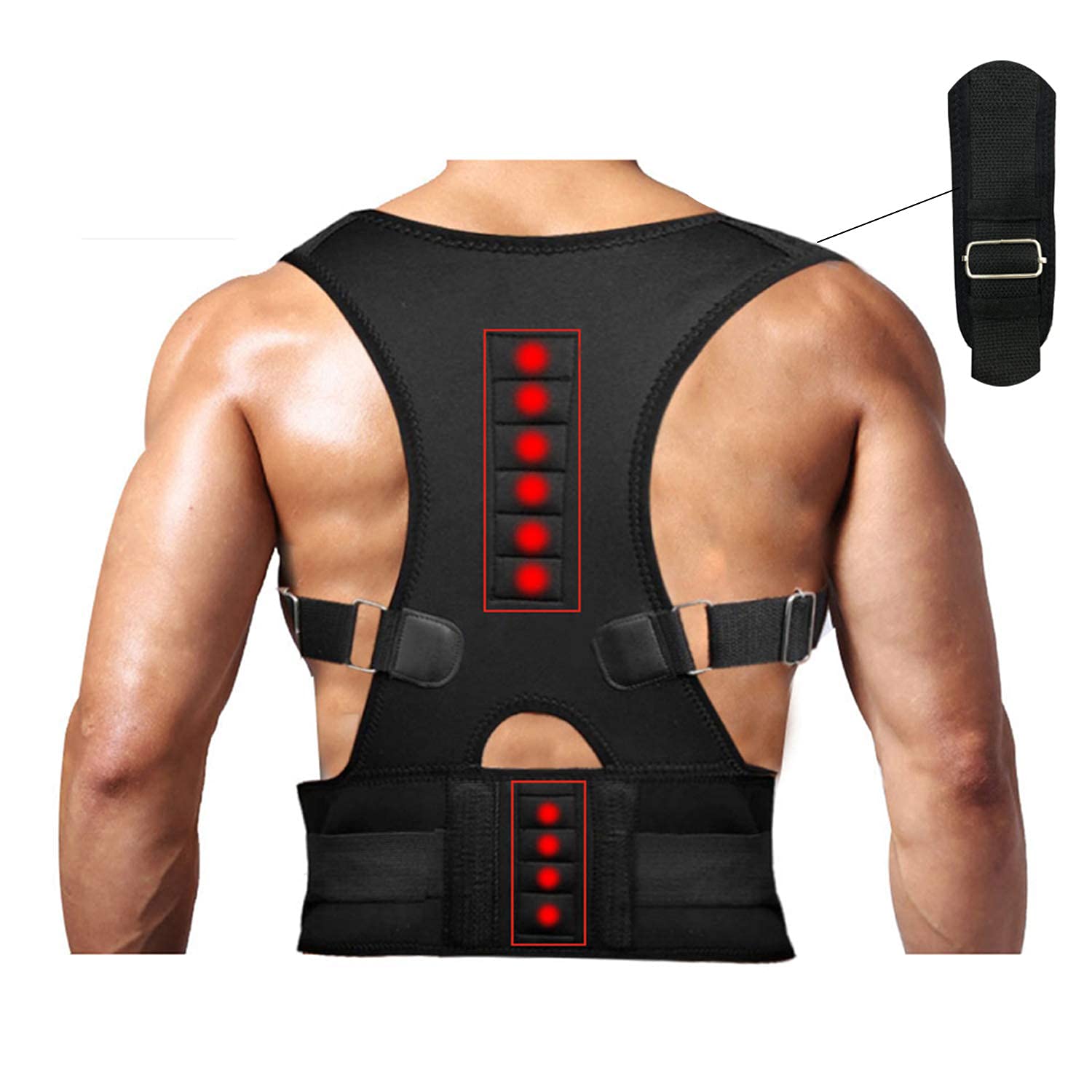
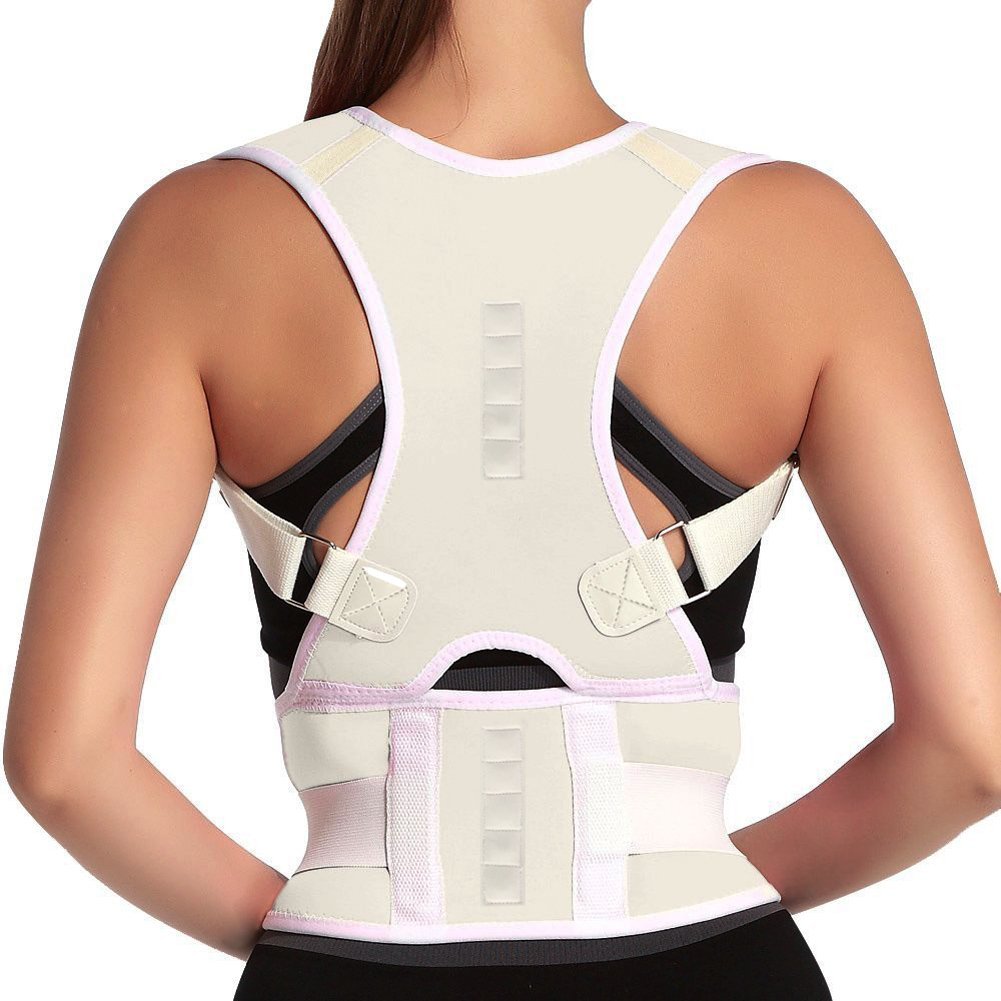
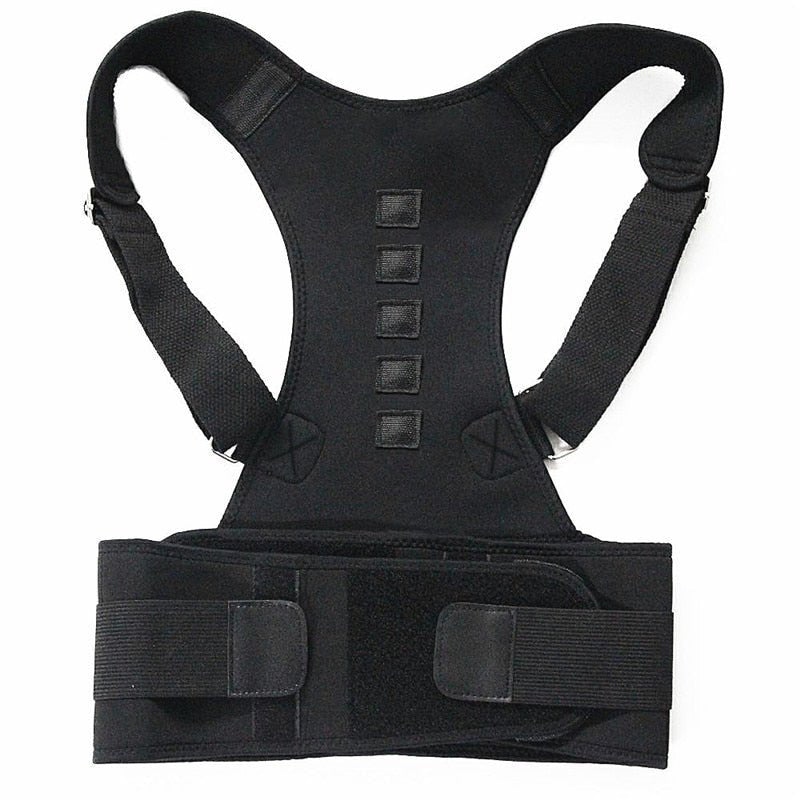
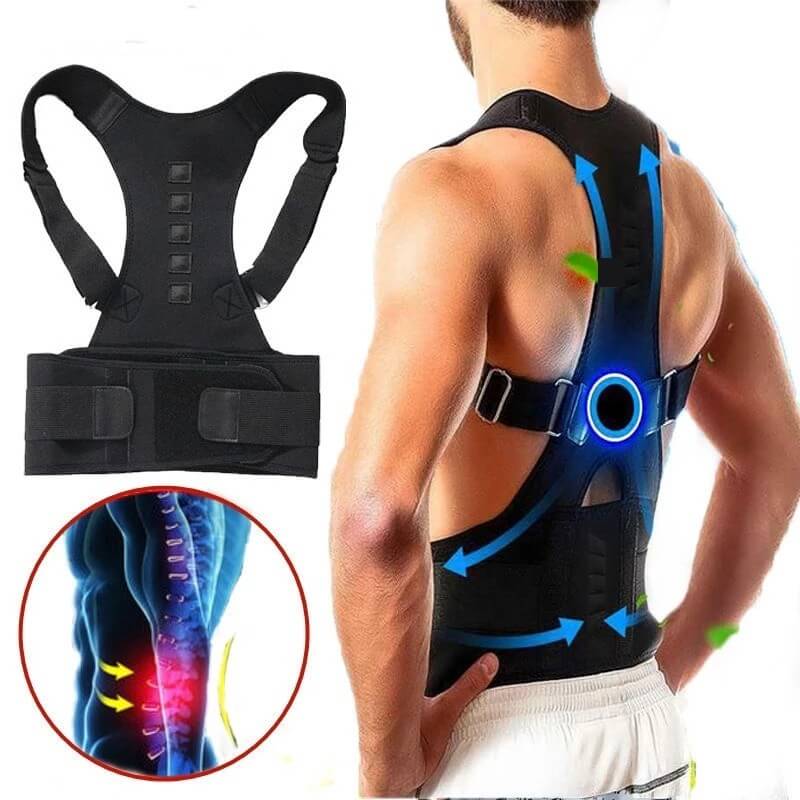
The OptimalBack Optimal Posture Corrector is built around a principle that resonates deeply with dancers: the body learns best from feel, not force. Here's what makes it the right choice for dance training:
Gentle Cue, Not Restriction
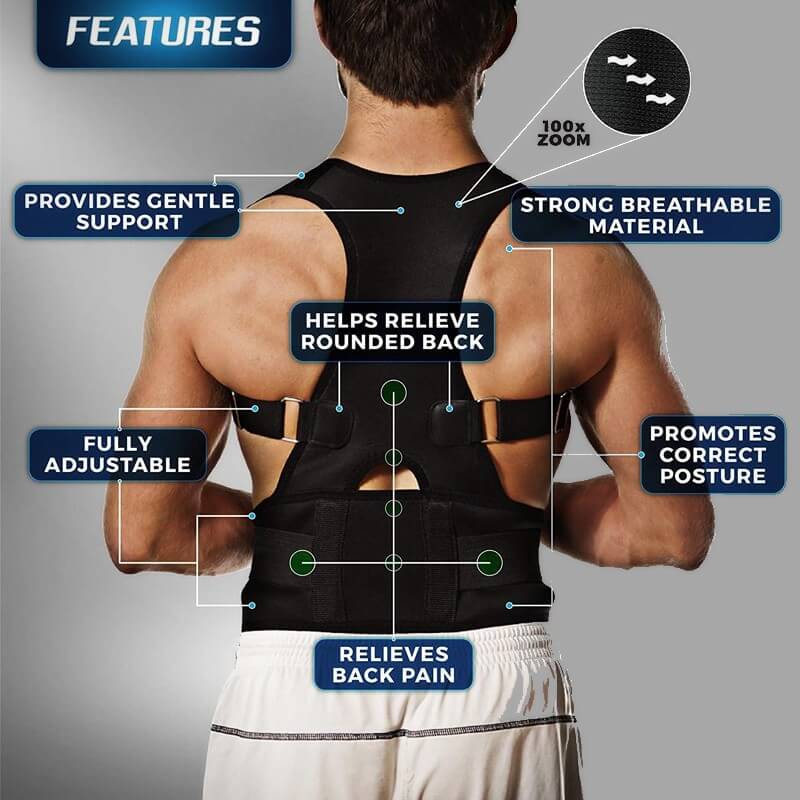
Unlike rigid back braces that limit movement, the OptimalBack corrector provides a gentle, consistent cue that draws the shoulders back and the spine upright without restricting the range of motion that dance requires. You can still execute full port de bras, reach overhead, and express your full movement vocabulary — you simply do it with better alignment.
Low Profile Under Practice Clothing
The slim, discreet design wears invisibly under practice leotards, unitards, and form-fitting rehearsal clothing. No bulk. No visible lines. Just better posture.
Off-Stage Recovery Tool
Some of the most valuable time for a dancer's posture isn't on stage — it's the hours between rehearsals when the body defaults to habitual patterns. Wearing the corrector during commutes, desk work, and rest periods ensures the alignment training continues even when you're not actively dancing.
Adjustable for the Dancer's Body
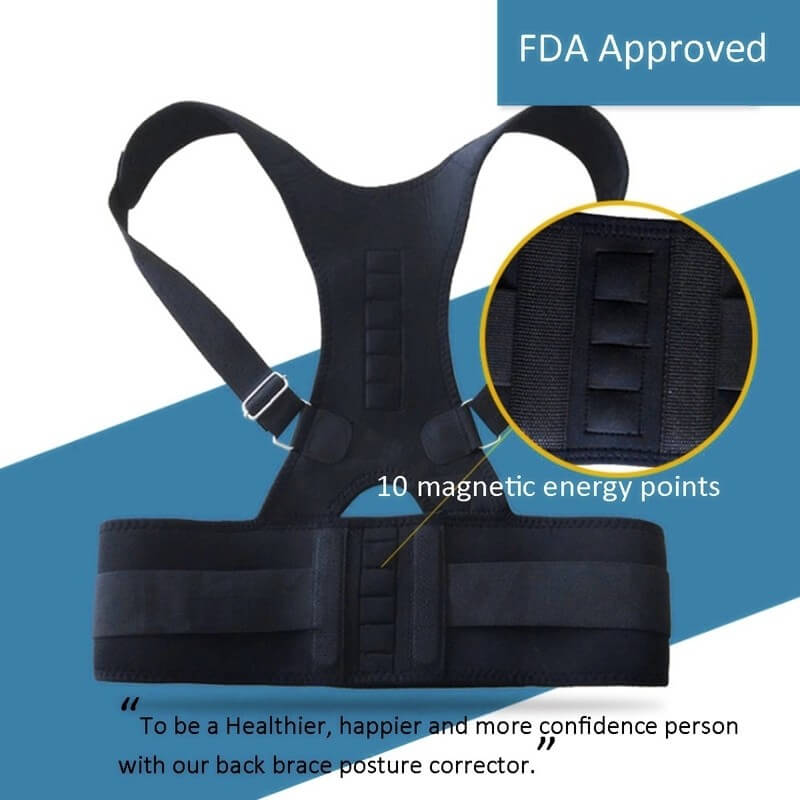
The fully adjustable strap system accommodates the wide variety of body types in dance — from the petite ballet student to the athletic contemporary performer — ensuring correct corrective tension for every physique.
How Dancers Use the OptimalBack Corrector
The most effective use for dance training follows this protocol:
• Warm-up period: Wear during the first 15-20 minutes of class to establish correct alignment from the start of training
• Cross-training: Wear during Pilates, yoga, gym work, and conditioning sessions where postural habits form
• Off-stage hours: Wear during commuting, studying, and everyday activities to prevent habitual collapse
• Recovery: Wear during stretching and cool-down periods when the body is fatigued and most likely to default to poor alignment
• Progression: Gradually reduce reliance on the device as postural muscles strengthen and correct alignment becomes automatic
What Dancers Are Saying
|
⭐⭐⭐⭐⭐ "I'm a professional ballet dancer with a company and I've had chronic upper back tension for three years. Started wearing this during my morning commute and during Pilates. My artistic director commented on my improved port de bras within a month. I hadn't told anyone I was using it." — Sophia M., Corps de Ballet ⭐⭐⭐⭐⭐ "Contemporary dance teacher here. I recommend this to all my advanced students for use outside of class. The difference in awareness it creates is remarkable — they come to class understanding where their shoulders are supposed to be." — Daniel K., Contemporary Dance Faculty ⭐⭐⭐⭐⭐ "Ballroom competitor. My frame was always my weak point — shoulders rolling forward under pressure. Three months of wearing this between competitions and my frame scores improved significantly. My partner noticed before I did." — Alicia T., Amateur Ballroom Competitor |
The Bigger Picture: Posture as Longevity
A dance career is a physical career. The artists who perform longest are not necessarily the most talented — they are the most disciplined about maintaining their instrument. The spine is the most important instrument a dancer has. Every decision that protects it extends the career; every decision that neglects it shortens it.
Postural maintenance is not separate from dance training. It is dance training — applied to the hours between classes and rehearsals when the body is building its baseline habits.
Invest in your posture the way you invest in your technique. Both determine how long and how beautifully you get to dance.

|
→ Shop the Optimal Posture Corrector optimalback.com/products/optimal-posture-corrector ✅ 30-Day Money-Back Guarantee | Free Shipping | Doctor Recommended |
Frequently Asked Questions
Can I wear this during class or performance?
The corrector is designed primarily as a training and off-floor tool. Most dancers find greatest benefit wearing it during non-dance activities and cross-training. Some use it during technique class warm-ups. It is not recommended for performance use.
Will it restrict my movement?
No. The OptimalBack corrector is designed to provide postural guidance, not restriction. Full range of motion is maintained, including overhead reach, spinal extension, and lateral flexibility.
How soon will I notice a difference in my dance technique?
Most dancers notice improved proprioceptive awareness within the first week. Visible technical improvement typically manifests within 4-8 weeks of consistent use, as postural muscle memory develops.
Is this appropriate for young dancers?
The corrector is appropriate for dancers aged 12 and older. For younger students, we recommend consulting with a dance medicine specialist.