

The Complete Guide to Back Pain Relief: What Actually Works (And What Doesn't)
A practical, no-fluff framework for anyone who is tired of managing pain instead of eliminating it.
If you're reading this, you've probably already tried things. Stretching. Ibuprofen. A new mattress. Maybe even a chiropractor. Some of it helped for a day or two. None of it stuck.
That's not failure on your part. That's what happens when you treat the symptom instead of the system.
This guide will change that. It covers the actual mechanism behind most back pain, the interventions that are backed by evidence, and an honest assessment of what does and doesn't work — including when to see a doctor and when a $35 tool will outperform a $200 session.
Part 1: Why Your Back Hurts (The Mechanism Most People Never Learn)
Your spine is a column of 33 vertebrae separated by discs — cartilage pads that act as shock absorbers. Between each vertebra, nerves branch out to every part of your body. When anything compresses, inflames, or misaligns those structures, pain follows.
The three most common causes of non-emergency back pain are:
Disc compression from prolonged sitting. When you sit without lumbar support, your lower spine loses its natural inward curve. The front of your discs compress while the back stretches — an uneven load that, over time, leads to disc bulges and nerve irritation.
Muscle imbalance from sedentary lifestyle. Your glutes, hip flexors, and core are designed to work together to support your spine. When they're weak or tight (both common in desk workers), the smaller muscles of your lower back compensate — and eventually protest.
Postural collapse. When your thoracic spine rounds forward and your head juts ahead of your shoulders, the effective weight of your head on your cervical spine multiplies. A head that weighs 12 pounds at neutral posture creates 60 pounds of force when it sits 3 inches forward.
Part 2: What Actually Works — The Evidence Hierarchy
Tier 1: High evidence, immediate impact
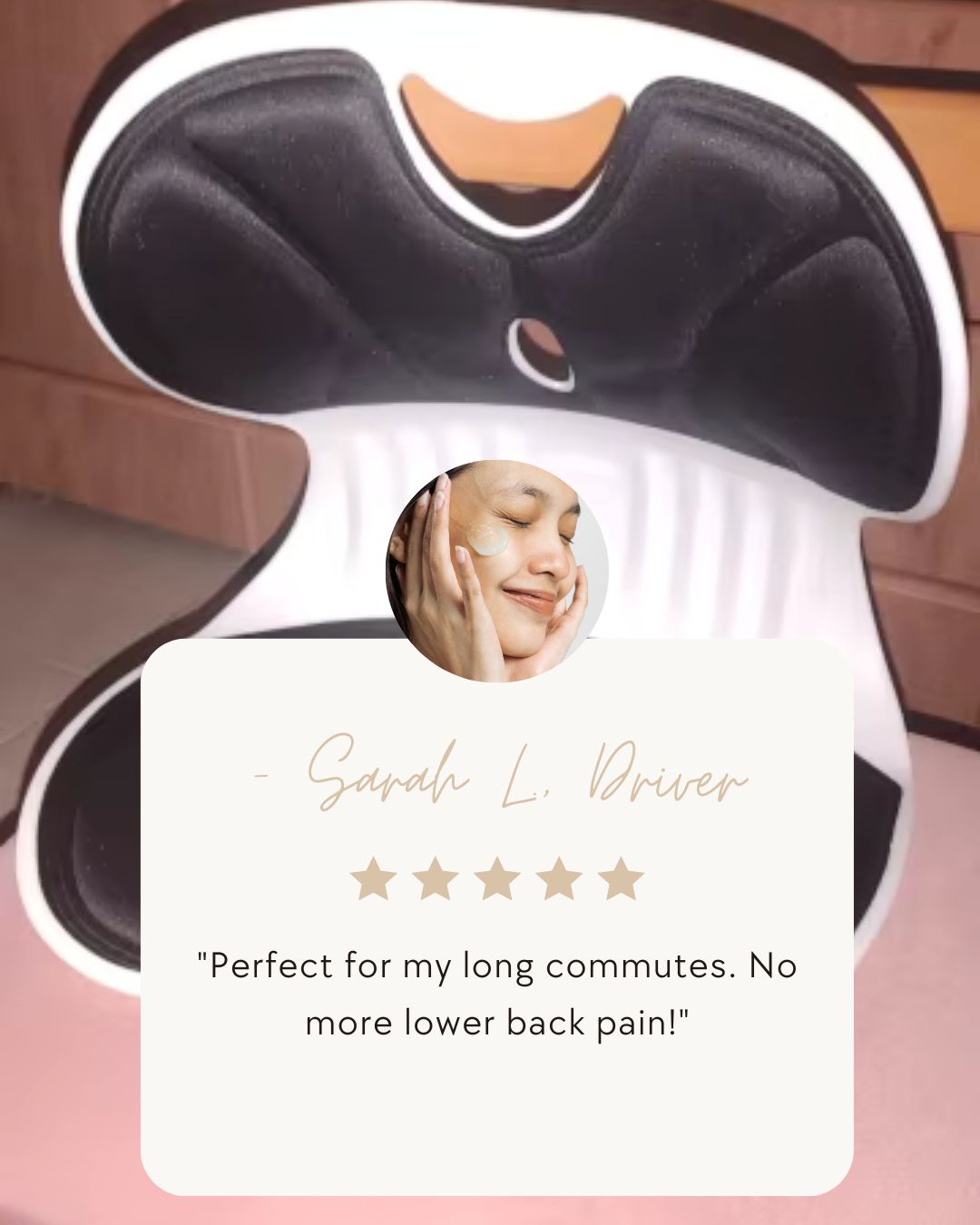
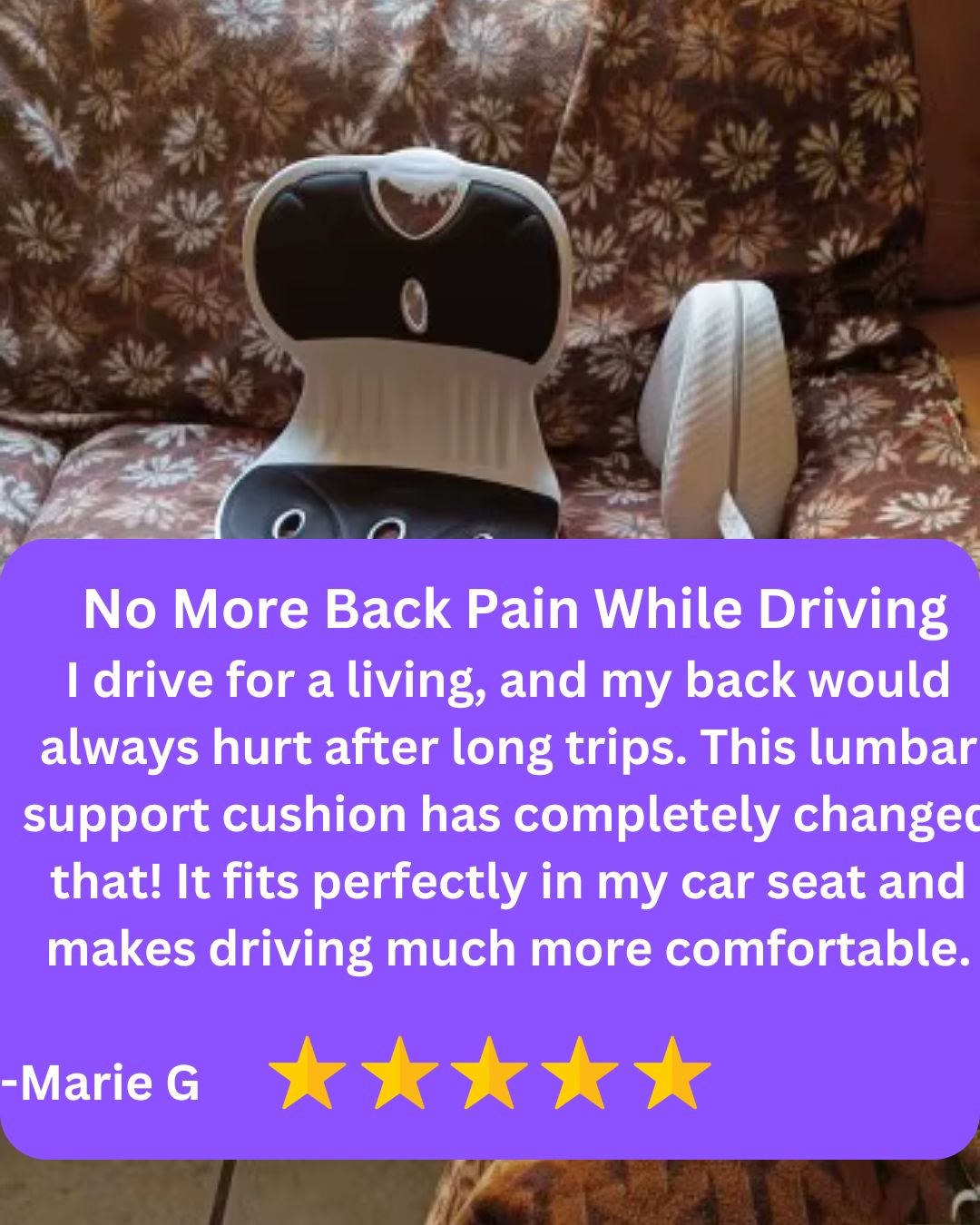
Lumbar support while sitting — the single highest-ROI intervention for desk workers. Supports the natural lumbar curve, reduces disc compression, and takes the load off spinal muscles. The OptimalBack Foldable Lumbar Cushion is one of the most practical options available because it works in any seat and travels with you.
Movement breaks every 45–60 minutes — even 2 minutes of walking resets circulation and relieves spinal load. Set a timer. Do not skip this.
Core strengthening — not crunches. Dead bugs, bird dogs, and planks build the deep stabilizing muscles that support your spine without loading it.
Tier 2: Significant benefit over time
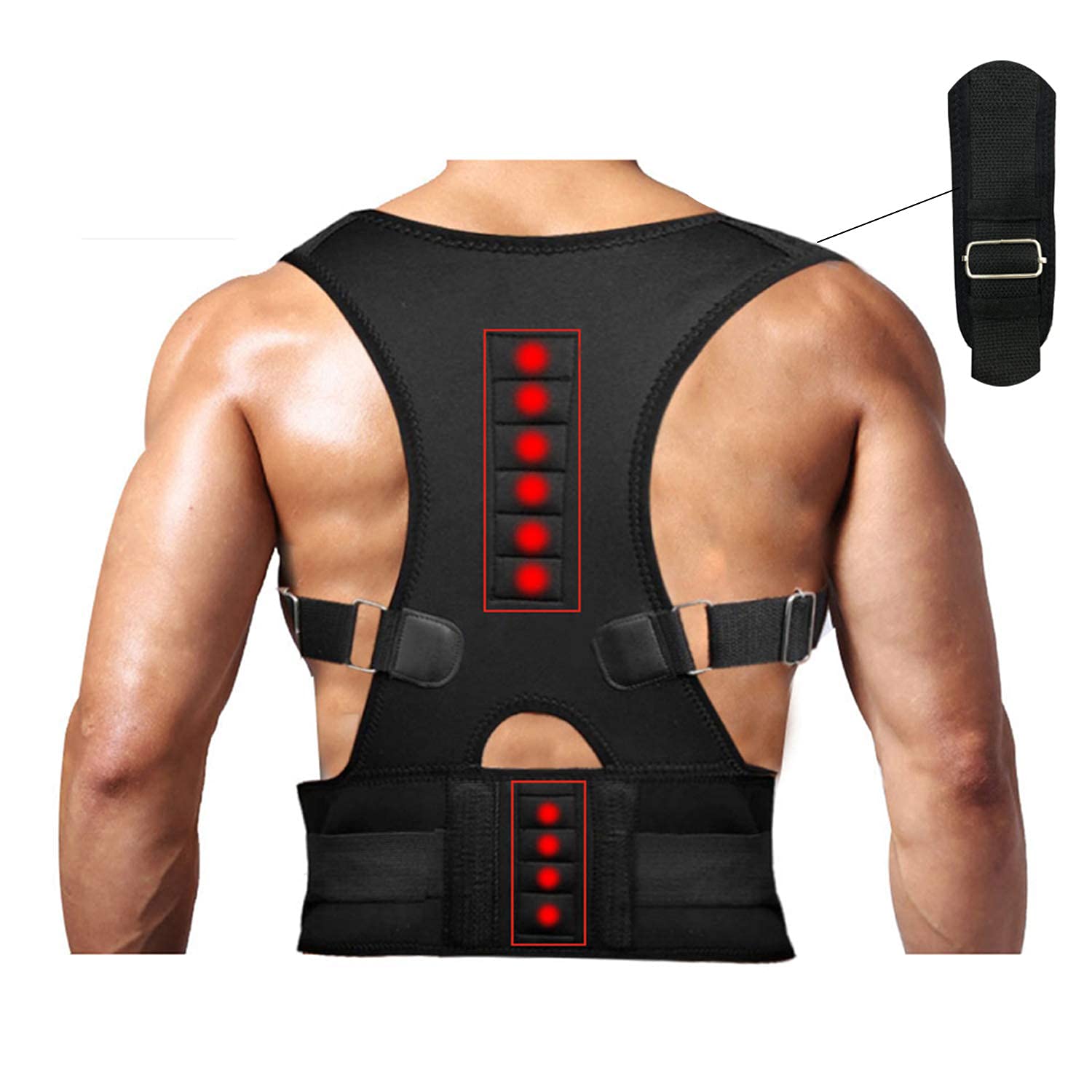
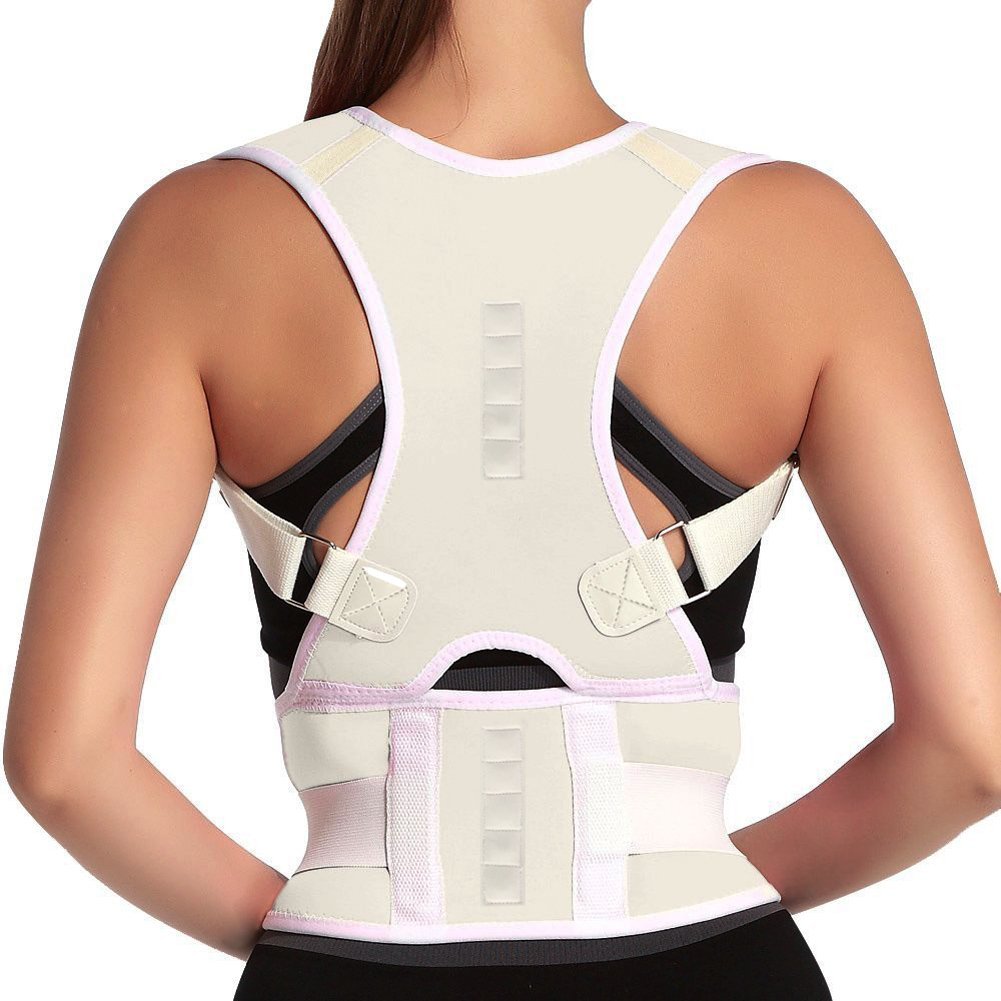
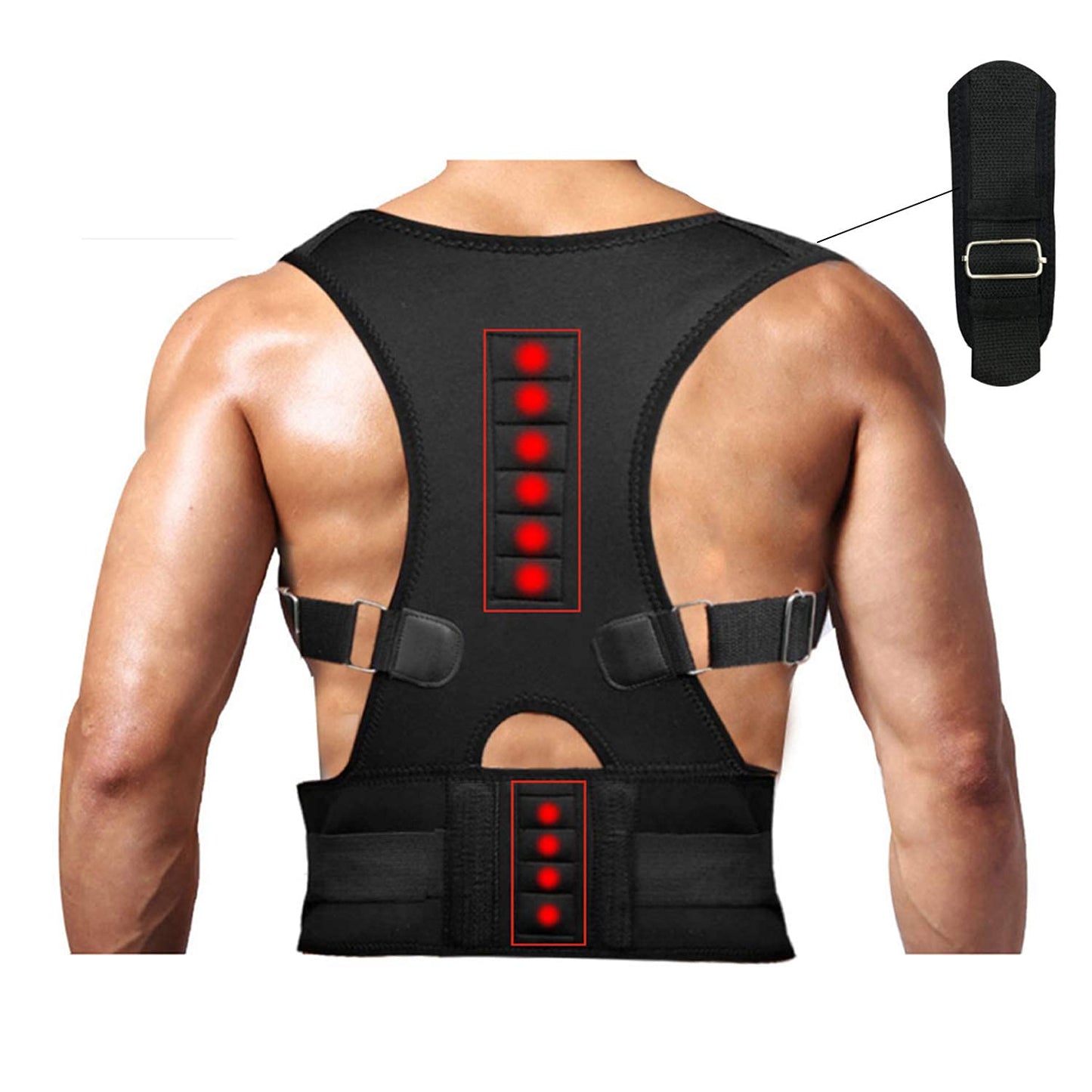
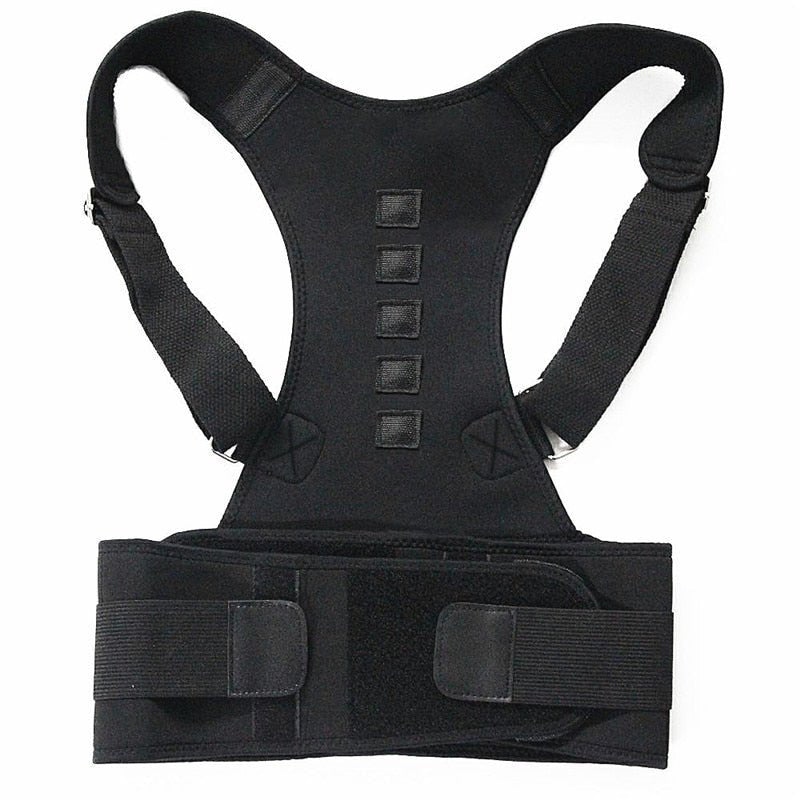
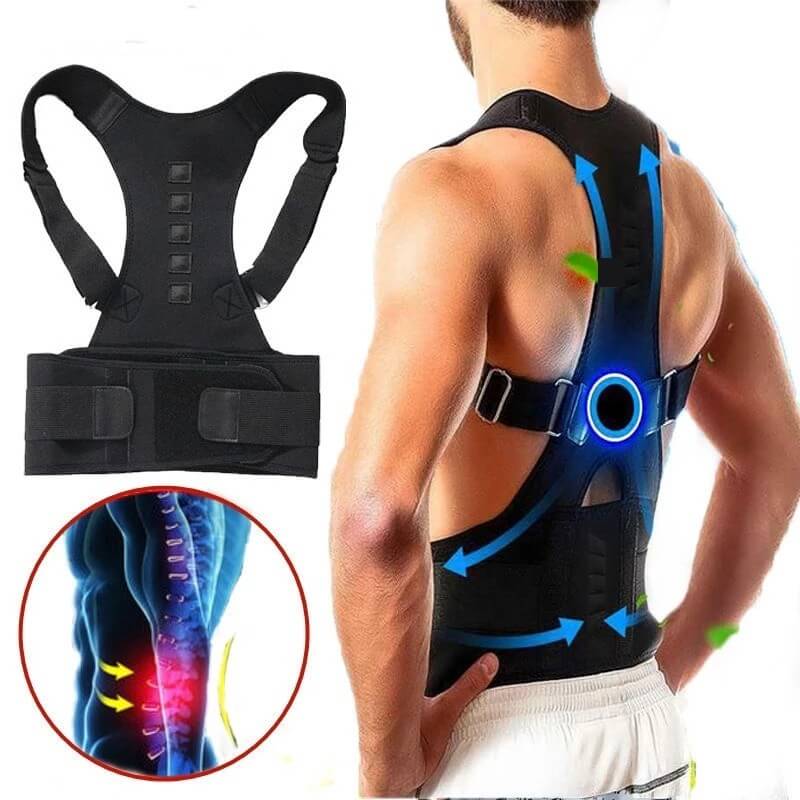
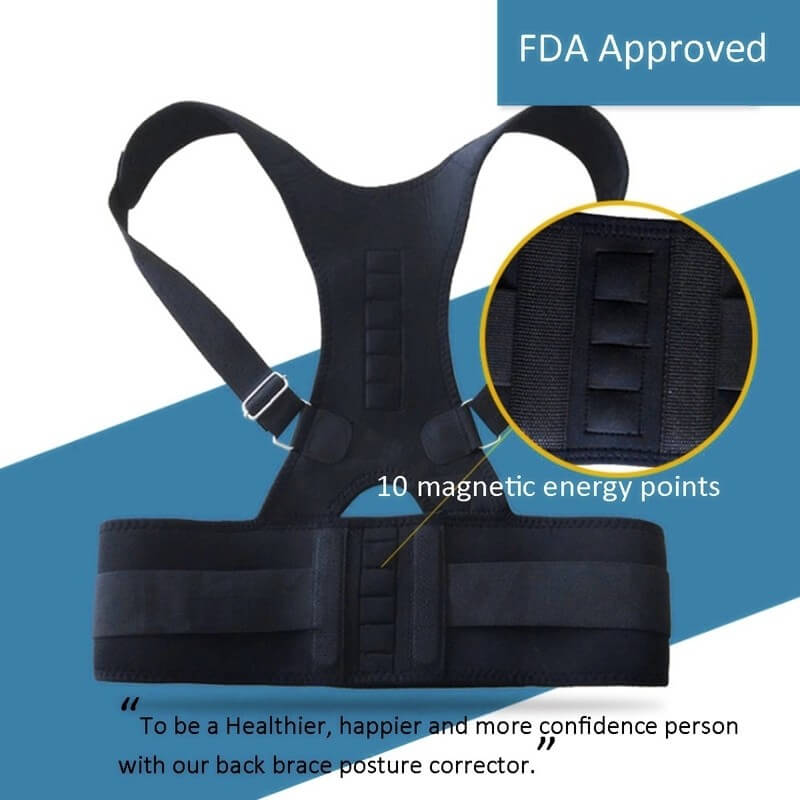
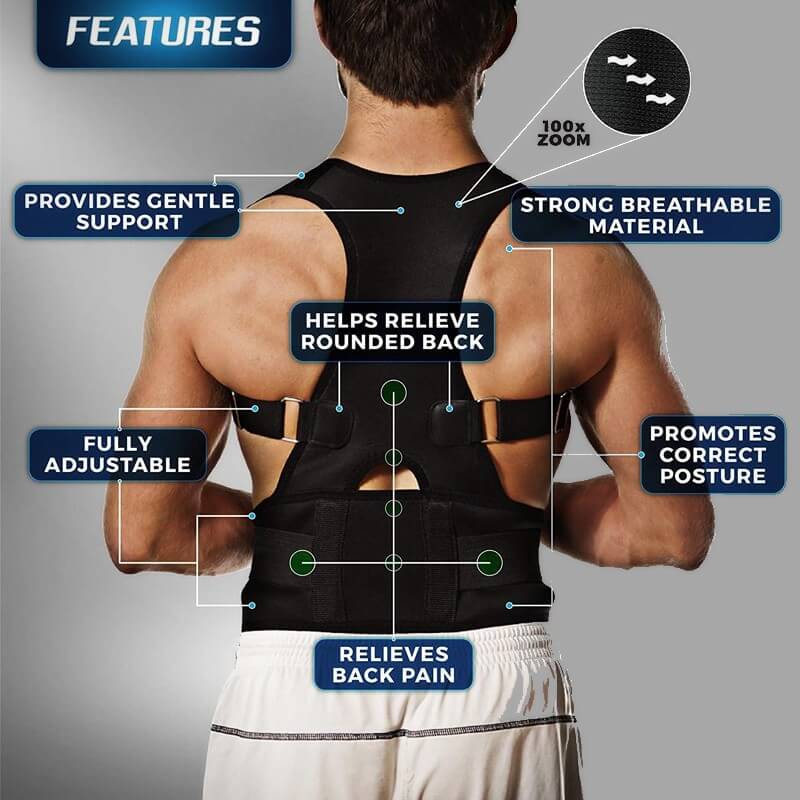
Posture correction devices worn consistently — posture correctors work by providing proprioceptive feedback, reminding your muscles where neutral is. The OptimalBack Magnetic Posture Corrector is designed for all-day wear and provides targeted magnetic relief to overworked upper back muscles.
Yoga and targeted flexibility work — specifically hip flexor stretching, thoracic mobility exercises, and hamstring lengthening. These address the muscular roots of most lower back pain.
Tier 3: Helpful adjuncts, not standalone solutions
Heat therapy — reduces muscle spasm and increases blood flow. Good for acute flare-ups.
Massage — provides temporary relief and can break pain cycles. Not a long-term fix without addressing root causes.
Chiropractic care — effective for certain types of back pain, particularly joint restrictions. Results vary significantly by practitioner and condition.

Part 3: What Doesn't Work (And Why People Keep Trying It)
Complete rest — counterintuitive but true: bed rest for back pain consistently produces worse outcomes than staying gently active. Movement is medicine.
Generic 'back exercises' without diagnosis — not all back pain has the same cause. Exercises that help herniated disc pain can worsen facet joint issues. Know what you're treating.
Pain medication as a long-term strategy — NSAIDs and muscle relaxants address symptoms, not causes. Used long-term, they mask the feedback your body is trying to give you.


These are especially effective for decompressing the spine and relieving lower-back tightness.
Benefits:
- Relieves pinched nerves
- Opens up tight muscles
- Improves mobility
- Provides instant relaxation

Like the Cordless Back Pain Relief Therapy Belt, these tools increase circulation and speed up healing.
Heat therapy:
- Relaxes stiff muscles
- Improves blood flow
- Reduces inflammation
- Accelerates recovery
--------------------------------------------------------------------------
Part 4: When to See a Doctor Immediately
|
Go to a doctor immediately — not tomorrow, now — if you experience: • Pain following trauma (fall, accident, injury) • Numbness or weakness in legs or feet • Loss of bladder or bowel control • Pain that is severe, constant, and worsening without any relief • Pain accompanied by unexplained weight loss or fever These may indicate conditions requiring urgent medical attention. |
--------------------------------------------------------------------------------
A Daily Routine for Healing Back Pain & Improving Posture

These simple habits protect your spine for life.

The Bottom Line
Most back pain is mechanical — caused by how you sit, move, and load your spine over thousands of daily repetitions. That means it's largely preventable and reversible with the right interventions applied consistently.
Start with the highest-leverage change: support your spine in every seat you occupy today. The OptimalBack Foldable Lumbar Cushion makes that possible for $35 with a 30-day money-back guarantee.
Everything else in this guide compounds on top of that foundation.
→ Start with the OptimalBack Lumbar Cushion — Risk-Free for 30 Days